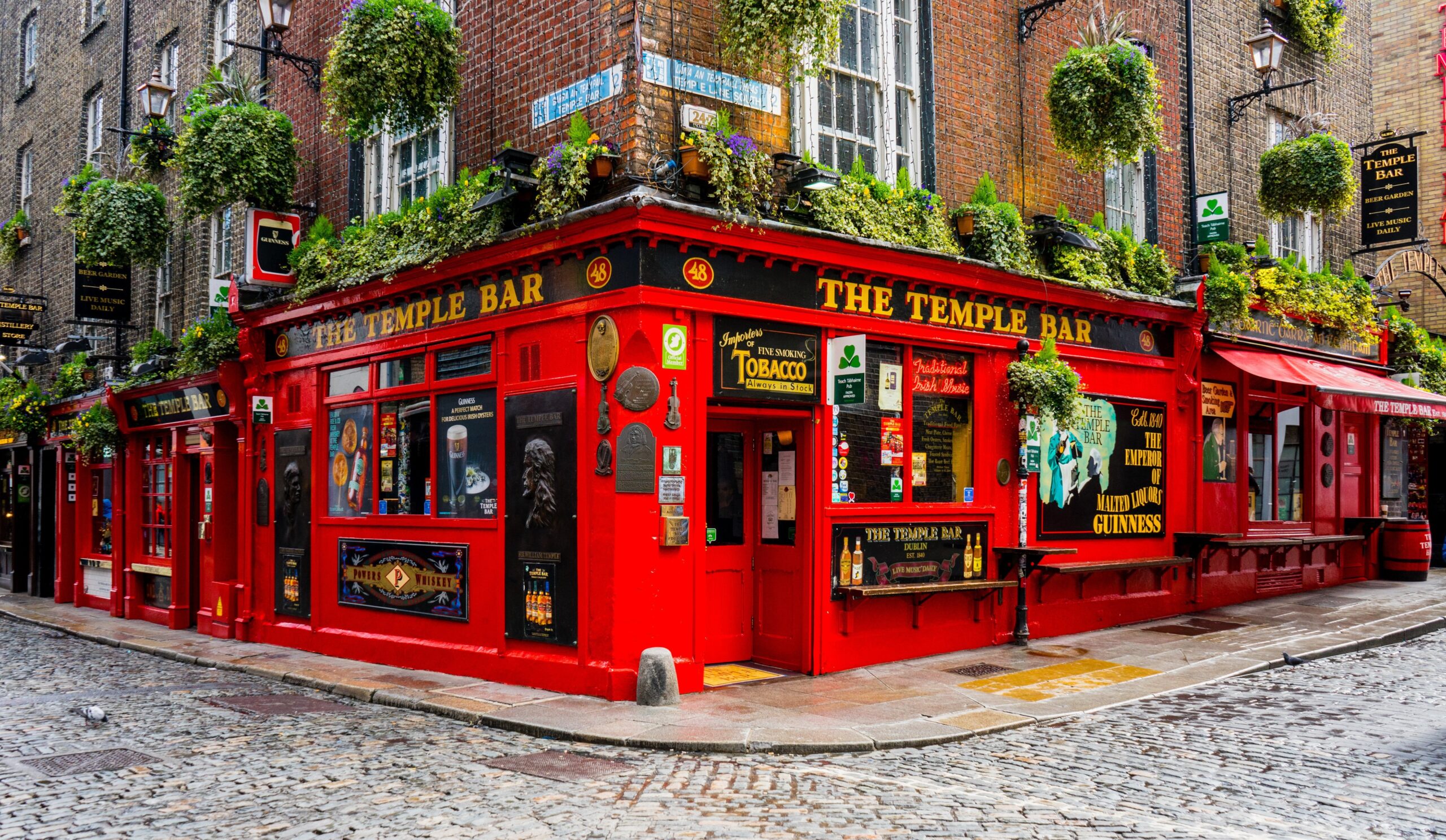
There was a time when paying seven pounds for a pint would have caused open revolt at the bar. Today, in parts of London and other major cities, £7.00 for a pint of Guinness is presented as normal — inevitable, even. We are told it is the price of quality, the cost of living, the way of the modern world. But let’s be clear: Guinness does not need to cost £7.00 a pint.
Yes, costs have risen. Energy bills have soared. Business rates remain punishing. Staffing a pub properly is expensive. No one sensible is pretending landlords have it easy. The hospitality industry has been battered from pillar to post over the past few years. But there is a difference between necessary price increases and opportunistic inflation dressed up as inevitability.
Guinness is not a rare small-batch craft stout brewed in microscopic quantities by a monk in a windswept abbey. It is a globally distributed product owned by Diageo and brewed at enormous scale at the St. James’s Gate Brewery. It benefits from vast supply chains, economies of scale, and one of the most recognisable brand identities on the planet. The wholesale price of a keg does not justify a £7.00 pint in the vast majority of British pubs.
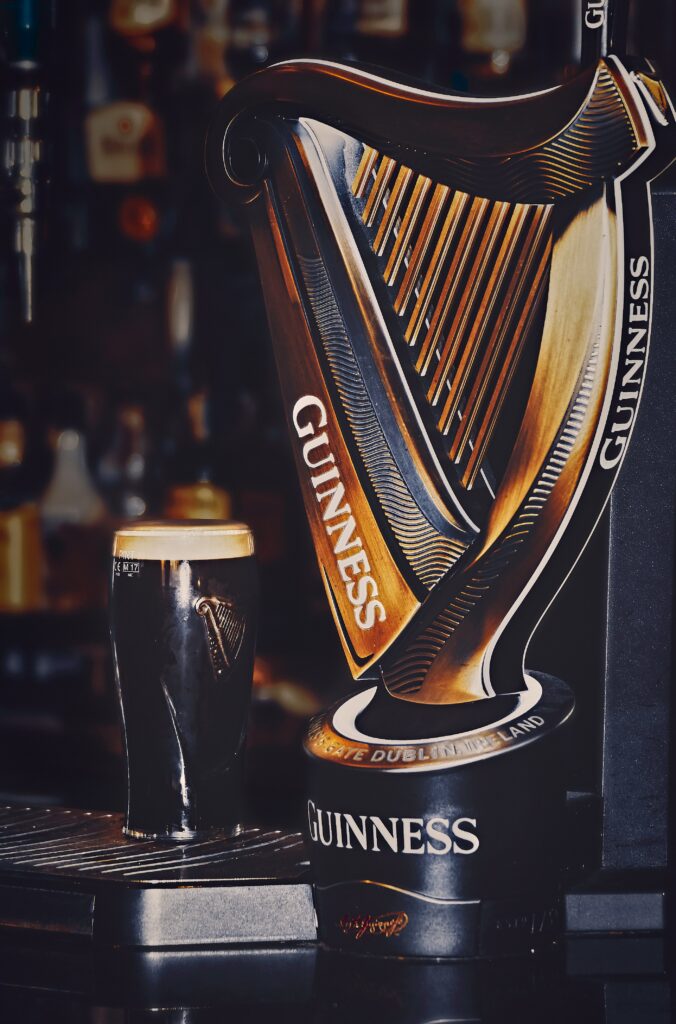
Across the UK, you can still find a genuinely superb pint of Guinness for far less. In towns across Yorkshire, Lancashire, the Midlands, Wales, and much of the West Country, £4.50 to £5.50 remains commonplace. And these are not inferior pints. They are not rushed, flat or poorly kept. They are creamy, tight-headed, perfectly settled pints that would pass any so-called “Guinness test” with ease. The idea that quality automatically demands a £7 price tag simply does not stand up to scrutiny.
Much of what drives the higher price in certain postcodes is not the stout itself but the rent on the pavement outside. Prime city-centre locations — particularly in London — come with eyewatering overheads. If you are paying astronomical commercial rent in Soho, you are passing that on to customers. But that is a property story, not a Guinness story. The pint has not fundamentally changed; the postcode has.
There is also a creeping cultural shift at play. Guinness has undergone something of a renaissance in recent years. It is fashionable again. It photographs well. It trends on social media. It is ordered by students, creatives and city workers alike. Scarcity — sometimes artificial — has even been whispered about in supply conversations. With desirability comes pricing confidence. But popularity should not become a blank cheque.
We must also challenge the notion that “people are willing to pay it, so that’s the market.” Markets are shaped by behaviour. If customers unquestioningly accept £7 as standard, it becomes standard. Yet the UK still has thousands of independent pubs proving that excellence and fairness can coexist. Many landlords take pride in offering what they consider a “proper pint” at a proper price, understanding that long-term loyalty is built on value as much as atmosphere.
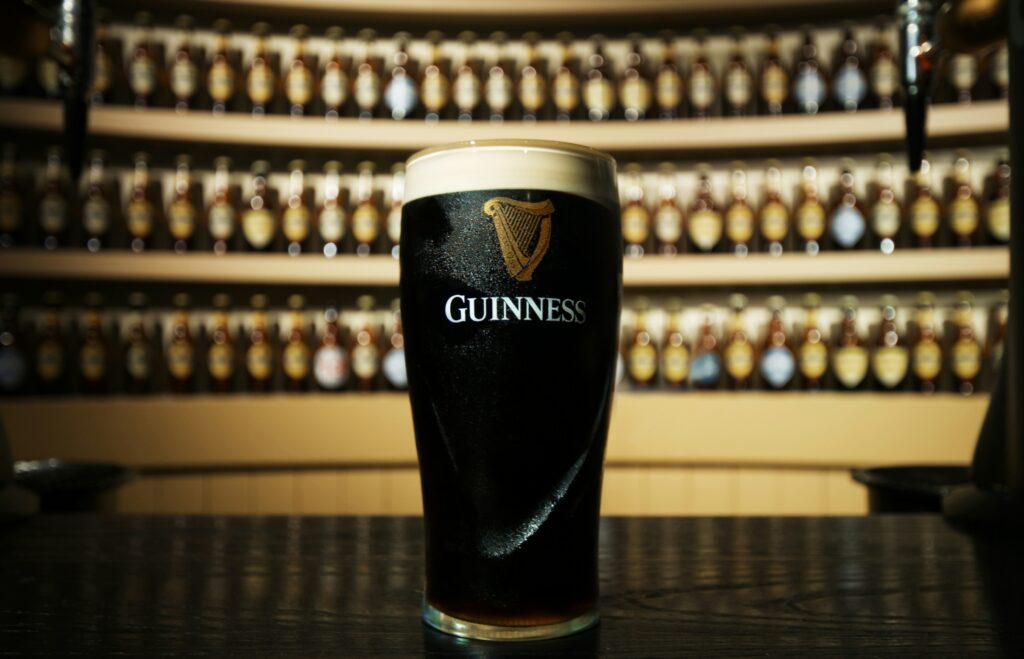
A 10/10 Guinness is about care, not cost. It is about clean lines, fresh gas, correct temperature and staff who know how to pour it properly. It is about allowing the pint to settle and topping it off with patience. None of that requires a two-pound premium. Technique and pride cost time, not an extra digit on the till receipt.
There is, too, a wider point about accessibility. The pub is one of the last democratic spaces in British life. It is where builders, barristers, students and pensioners can stand shoulder to shoulder. When the price of a mainstream pint creeps steadily upward into luxury territory, something subtle shifts. A quiet barrier emerges. What was once routine becomes occasional. The rhythm of the local begins to falter.
None of this is an argument against pubs making a profit. Far from it. Good pubs deserve to thrive. Staff deserve fair wages. Buildings deserve maintenance. But transparency matters. If a venue must charge £7 because of its location or concept, say so. Don’t pretend the stout itself demands it.
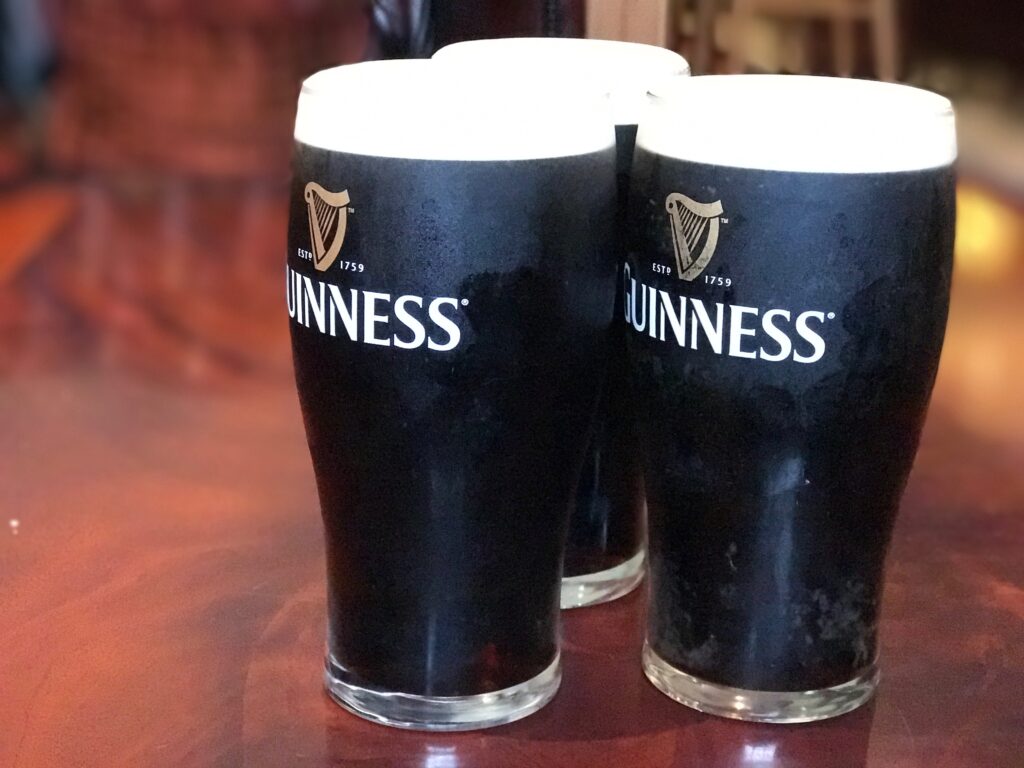
The truth is simple: Guinness does not need to cost £7.00 a pint. The evidence is poured daily across Britain in pubs that manage to balance quality, atmosphere and sensible pricing. The next time you are presented with a £7 bill for a standard pint, it is worth asking whether you are paying for the beer — or for the postcode.
Guinness will remain iconic whether it costs £4.80 or £7.20. Its flavour profile does not improve with inflation. And while some may shrug and tap their card regardless, many drinkers are quietly voting with their feet, seeking out those places that still believe in value.
In the end, the power lies not with global brands or property portfolios, but with the person standing at the bar. If we remember that, we may yet keep the great British pint within reach.