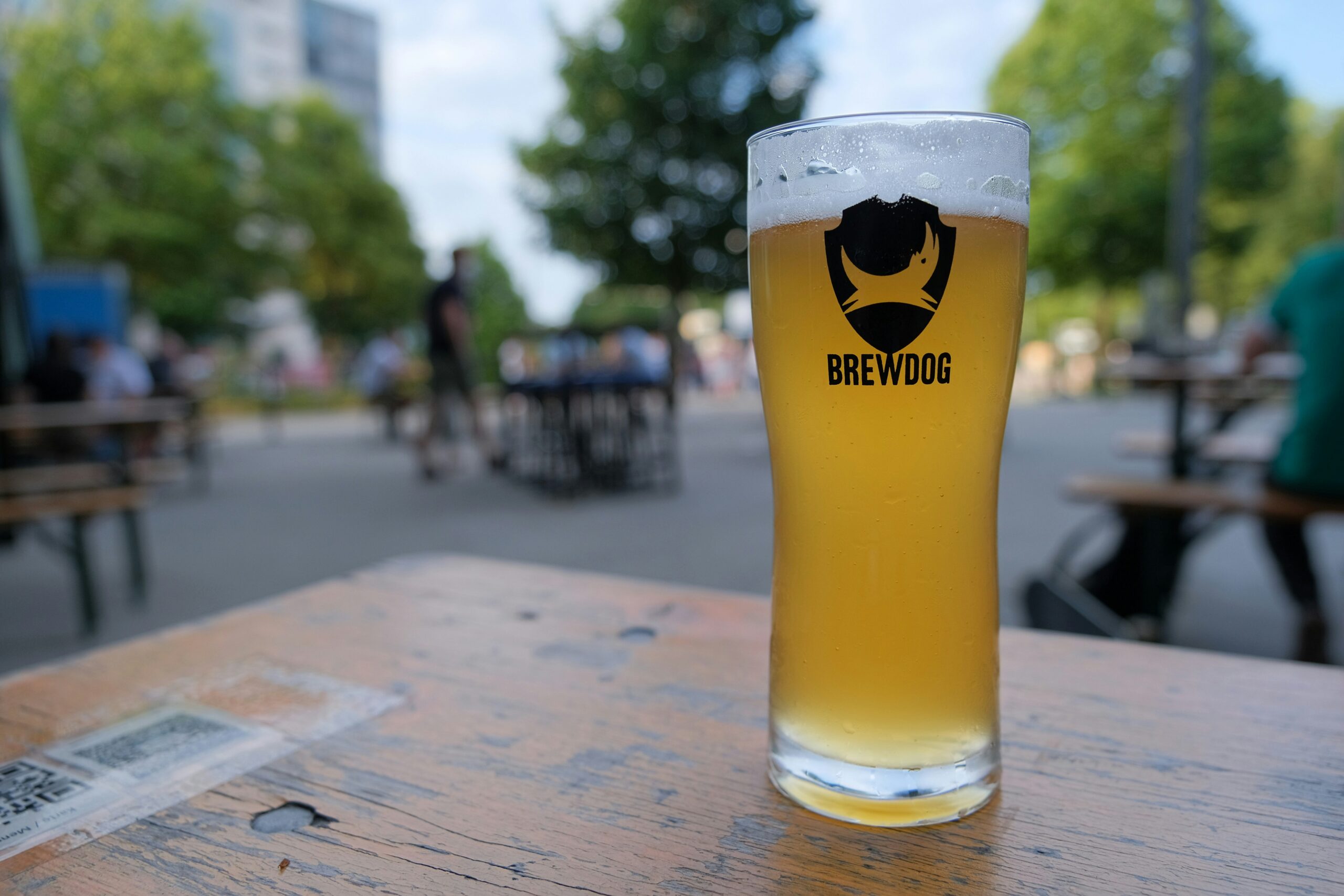
It is a brutal week for British brewing. Craft beer giant BrewDog has entered administration, hundreds of workers have lost their jobs, and dozens of bars have shut their doors – as US firm Tilray swooped in with a £33 million rescue deal.
According to reporting by the BBC, Tilray has acquired BrewDog’s UK brewing operations, its brand, and 11 pubs. The deal preserves 733 jobs. But the cost is stark: 484 redundancies and the immediate closure of 38 bars that were not included in the sale.
Administrators from AlixPartners confirmed there had been “significant interest” in the business, but no offer capable of saving BrewDog in its entirety. As a result, much of the estate has been carved away. BrewDog’s Ellon brewery in Aberdeenshire and its Motherwell distribution hub — The Hop Hub — now fall under Tilray’s control. Its 18 franchise bars will continue to trade. However, its German arm, including its Berlin brewery and bar, is heading for liquidation, while negotiations continue over US and Australian assets.
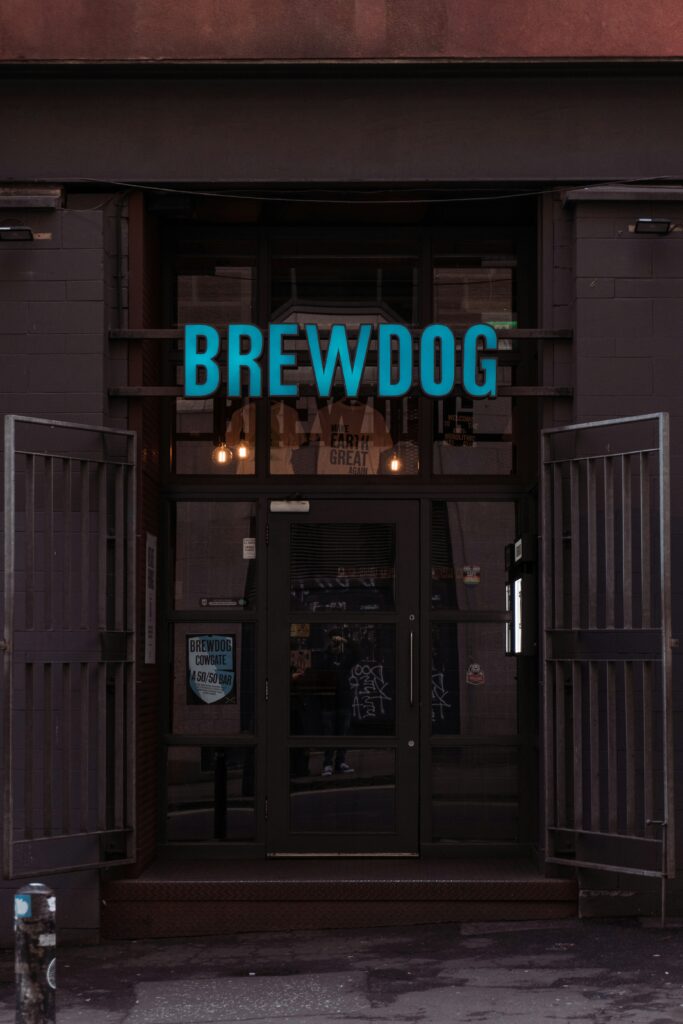
For staff, it has been a devastating blow. Unite the Union described the day as “devastating” for hospitality workers, with general secretary Sharon Graham accusing management of treating staff as “disposable pawns.” Bryan Simpson, Unite’s national hospitality lead, criticised the manner of redundancies, claiming workers were informed on short notice via conference call — language that evokes uncomfortable parallels with other high-profile corporate collapses.
But perhaps the most painful chapter belongs to BrewDog’s small investors.
The Equity for Punks scheme, launched in 2009, was marketed as a revolution in beer funding. Around 200,000 people bought into the dream, investing roughly £75 million over time. Many paid about £500 for shares priced between £20 and £30, seduced by the promise of ownership, discounts and a slice of the punk rebellion. Yet administrators have confirmed that no equity holders — including those small “ordinary” shareholders — will receive any return.
The reason lies in the capital structure. In 2017, US private equity firm TSG Consumer Partners took a 22% stake in BrewDog via preference shares. Those shares placed TSG first in line in the event of a sale. With the company entering administration, smaller investors are effectively wiped out. For thousands who believed they were backing a movement rather than a balance sheet, it is a sobering lesson in corporate hierarchy.
This collapse did not happen overnight. BrewDog had struggled for years, failing to post a profit and reportedly losing almost £150 million over the past five years. It staggered through the pandemic, then faced reputational damage and mounting debt. In October last year it announced job cuts following a £37 million loss. Earlier this year, ten UK bars — including its flagship Aberdeen site — were shuttered. Production of its gin and vodka brands was halted at its Ellon distillery.
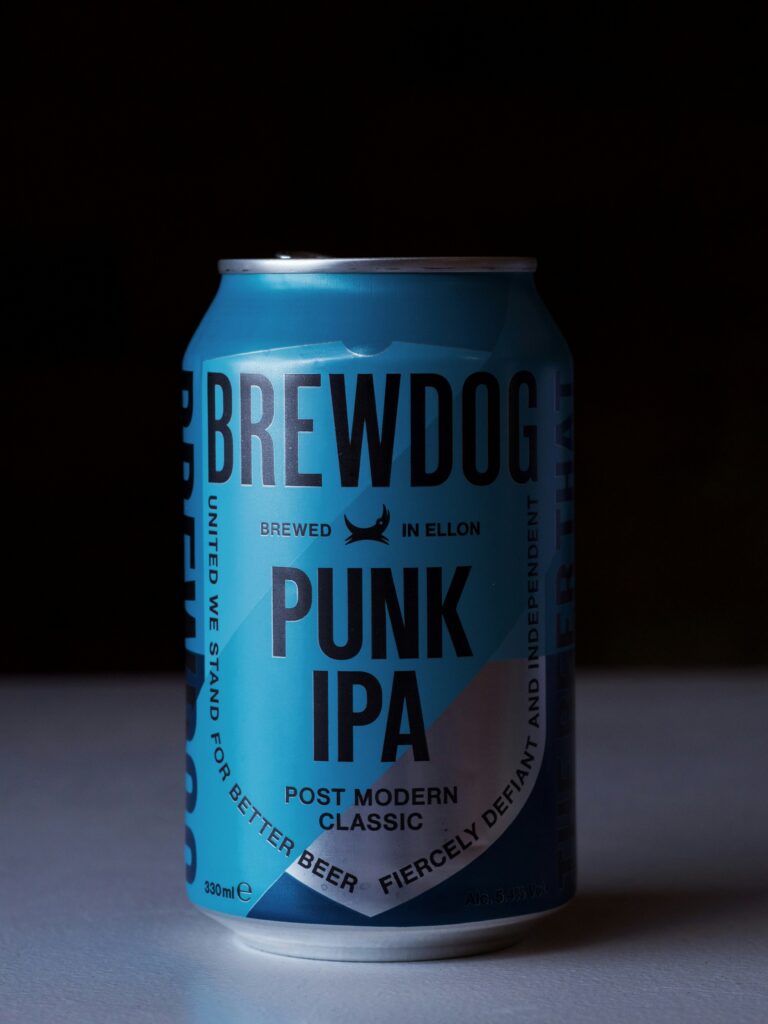
There were cultural cracks too. Once positioned as the rebellious challenger to “stuffy” brewing corporates, BrewDog found itself accused of becoming what it once mocked. In 2024 it faced backlash for moving away from paying new staff the real living wage. A BBC Scotland documentary examined allegations surrounding former chief executive James Watt, although a complaint to Ofcom was later rejected. Watt subsequently stepped down as CEO, assuming the role of “captain and co-founder,” while co-founder Martin Dickie exited the business last year.
For Tilray, however, this is an opportunity. The New York-headquartered company — originally founded in Canada — already owns several US craft beer brands and sees growth potential in BrewDog’s UK brewing operations and global brand recognition. From its perspective, this is a strategic acquisition of assets with underlying value.
For Britain’s pub landscape, the story feels different. Thirty-eight bars closing in one stroke is more than corporate restructuring; it is empty units on high streets, displaced workers and communities losing familiar spaces. BrewDog employed around 1,400 people. The brand once boasted about having nearly 100 pubs worldwide and four breweries. Its rise from a Fraserburgh garage to a billion-pound valuation was marketed as a blueprint for modern independent success.
Instead, it ends — for now — in administration.
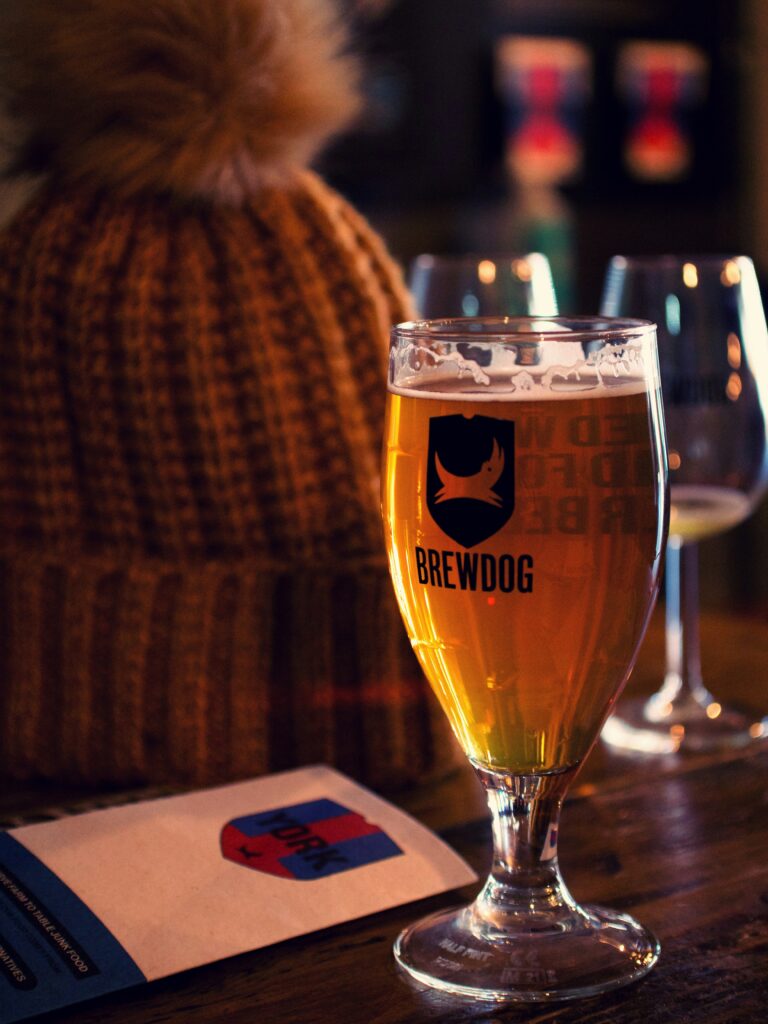
What remains is a slimmed-down version of the business under American ownership. The “profitable bits,” as some analysts describe them, move forward. The rest falls away. The punk poster may still hang on the wall, but the edges are curling.
There is a broader lesson here for the craft beer sector. Scale is seductive. Rapid expansion, international bars, celebrity collaborations and equity crowdfunding create headlines and hype. But hospitality remains a tough, margin-sensitive business. When debt mounts and growth slows, sentiment cannot balance the books.
BrewDog once defined itself as the outsider taking on the establishment. Today, it is a case study in how quickly that narrative can flip. As the BBC’s coverage highlights, hundreds of workers now face uncertainty, and thousands of small investors are left with worthless shares.
In the end, rebellion proved no shield against reality. The brand that promised to tear up the rulebook has been rewritten by administrators — and sold on.