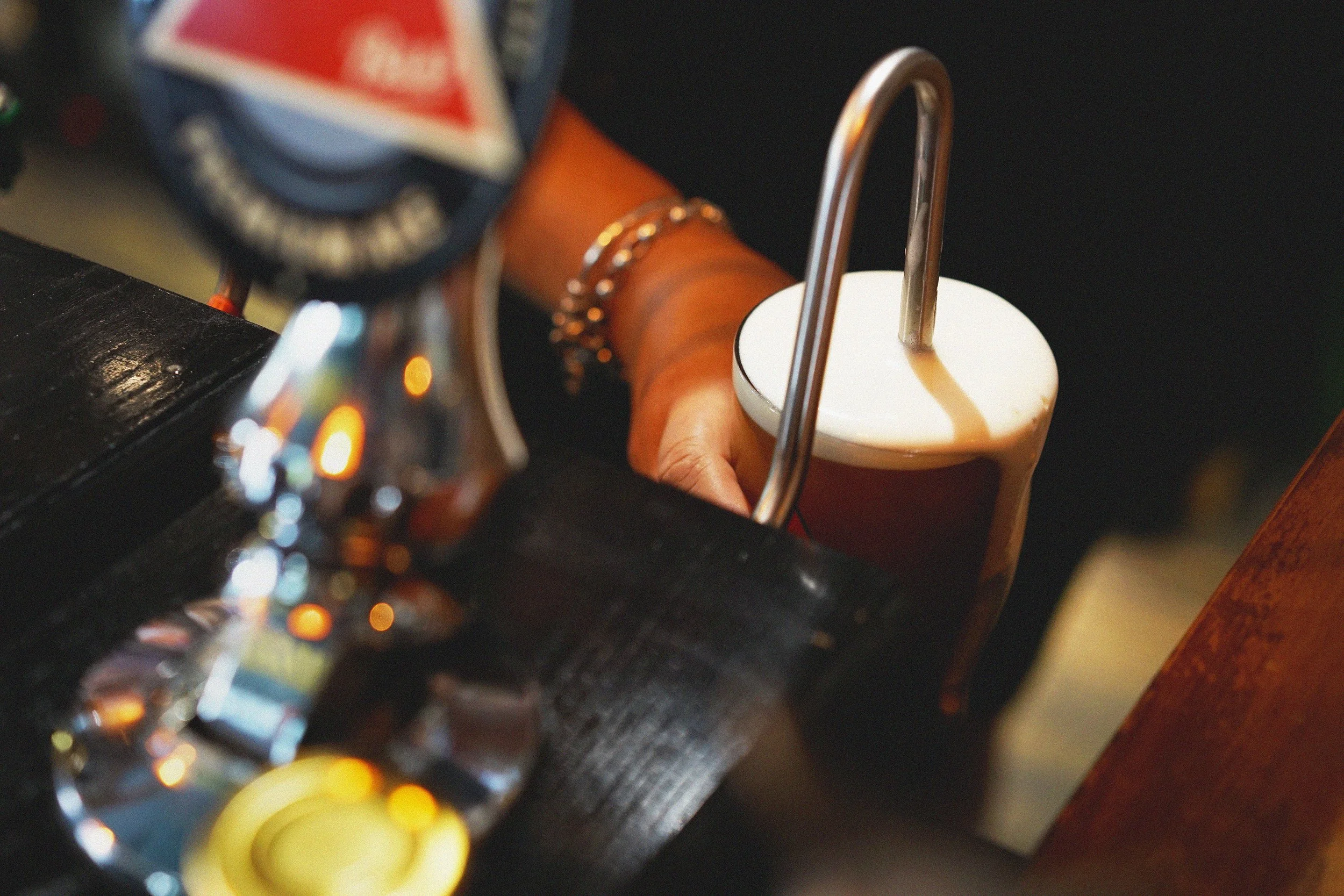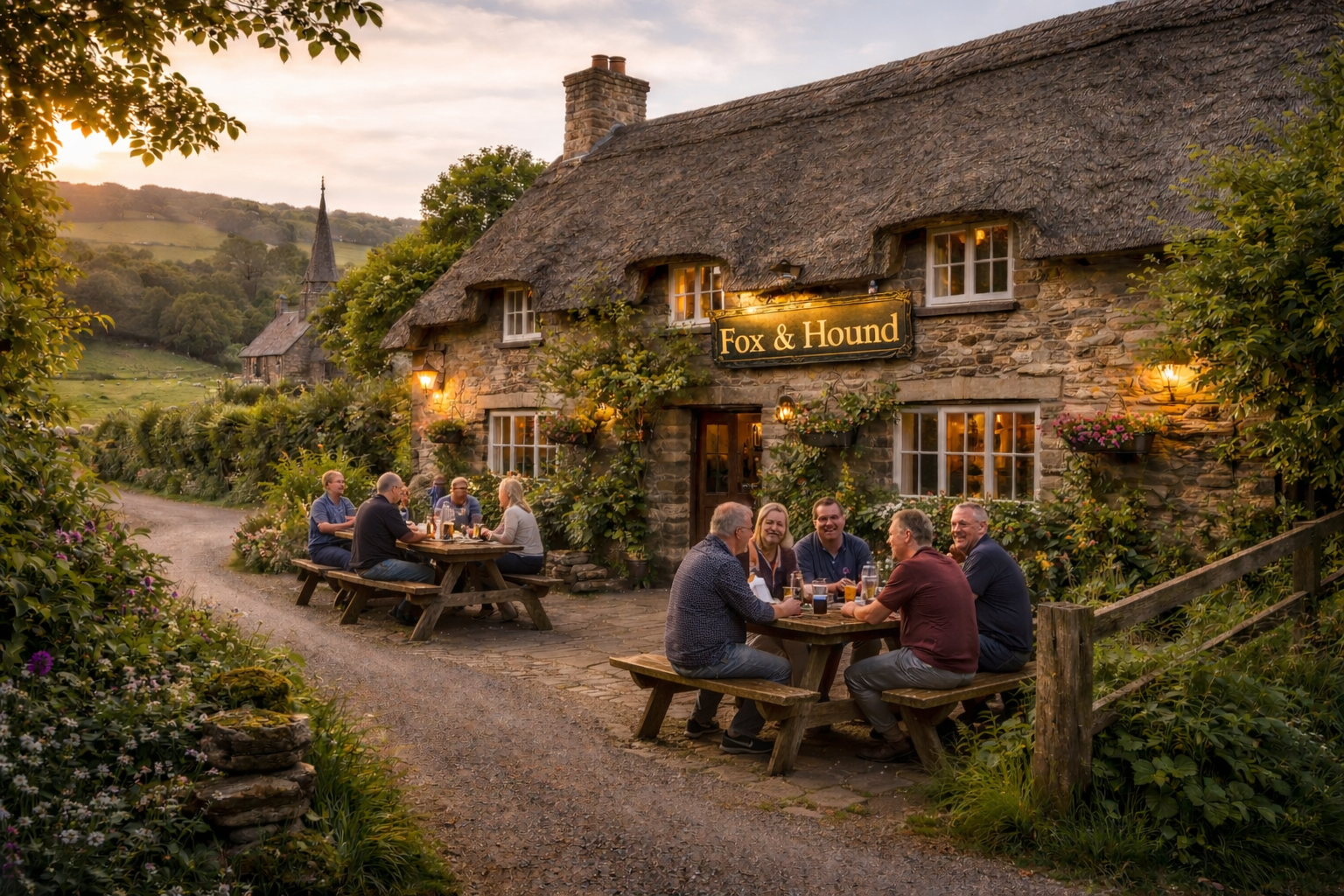
There is something quietly tragic about the sight of an old English pub with darkened windows, an empty car park, and a hand-painted sign hanging a little crooked in the wind. In the countryside, that image means far more than the loss of a place to buy a pint.
It signals the fading of something deeply woven into the fabric of rural life; something altogether more important than trade, tourism, or nostalgia. The old English pub, particularly in our villages and market towns, is not simply a business. It is a meeting point, a refuge, a living room for the community, and in many places one of the last remaining spaces where people still come together face to face.
For too long, the conversation around rural pubs has been reduced to economics alone. We speak about wet-led venues, rising overheads, staffing pressures, energy bills, beer duty, and the changing habits of customers. All of those things matter, of course they do, because without financial survival no pub can remain open on sentiment alone. But if we talk only in terms of profit and loss, we miss the far greater truth. A countryside pub is not just another rural enterprise trying to survive in a difficult market. It is often the very heart of the place around it.
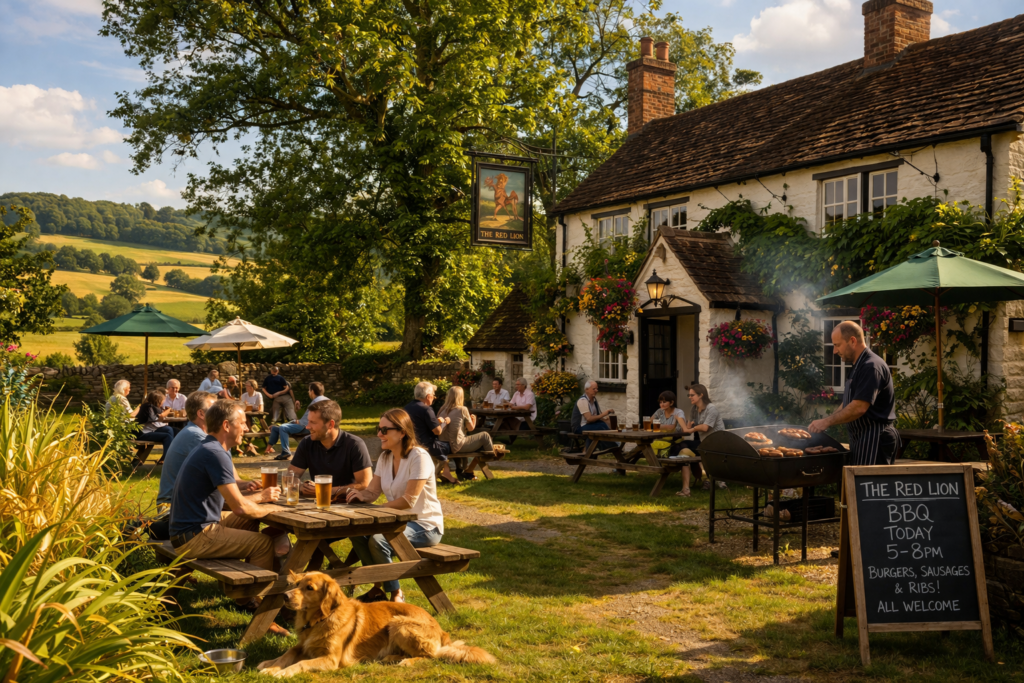
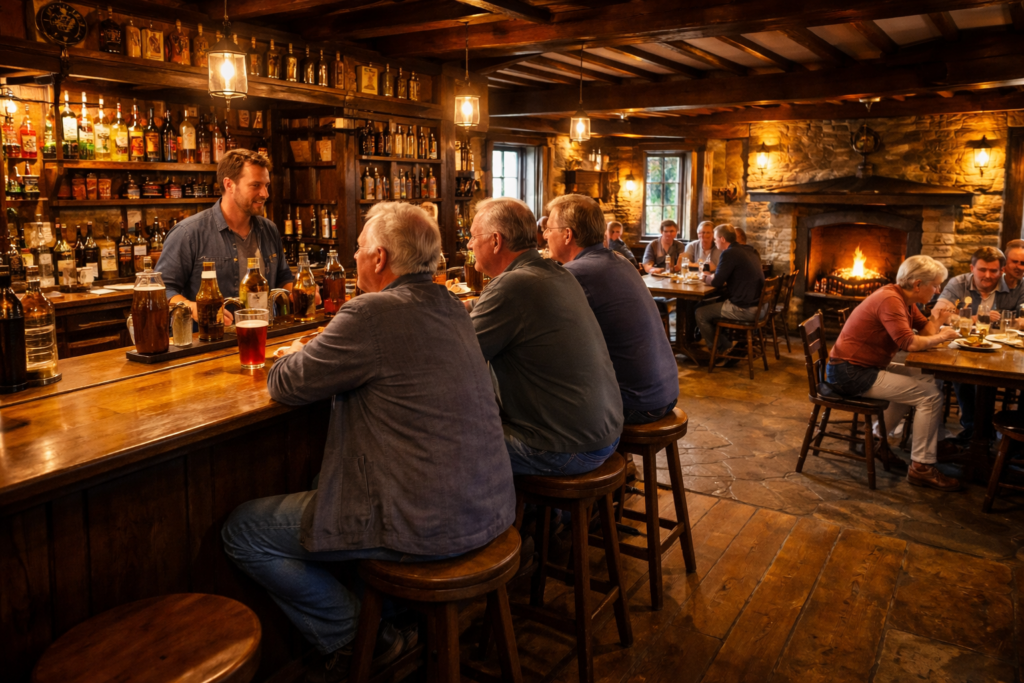
Step into a proper village pub and you will see what I mean. It is where neighbours catch up after a long day, where farming families gather after early starts and hard weather, where walkers come in muddy-booted and glowing from a day on the hills, and where older residents who may otherwise spend long stretches alone can find warmth, conversation, and company.
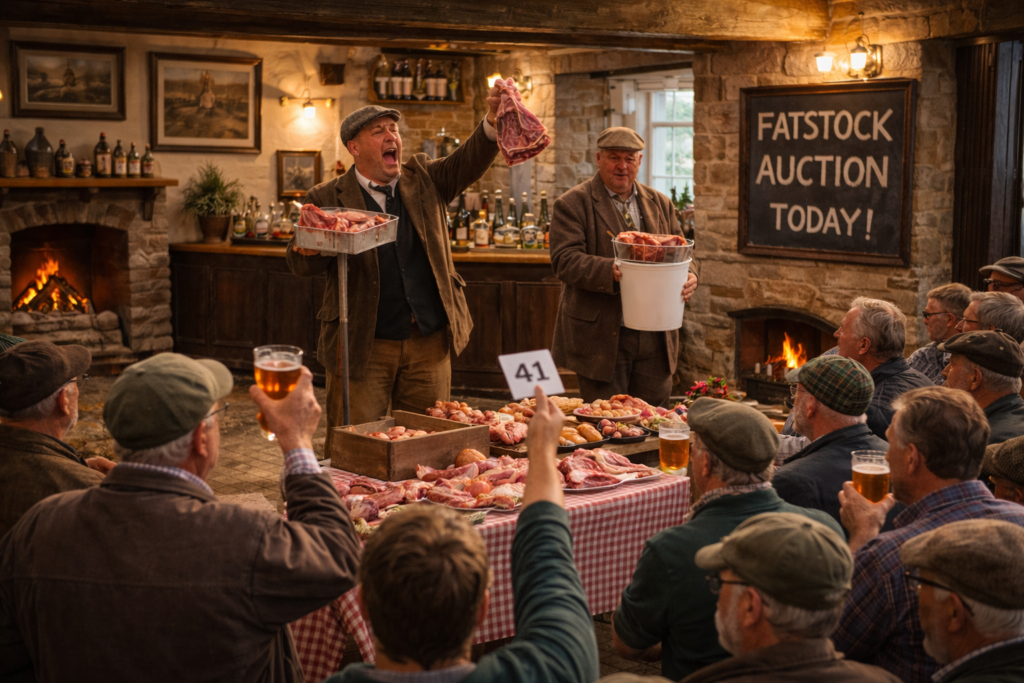
It is where local notices are pinned, where clubs are formed, where darts teams, quiz nights, birthday meals, charity raffles, and Christmas gatherings all happen without fuss or fanfare. It is not some invented idea of England dreamt up for postcards and period dramas. It is real, lived community.
That matters now more than ever. Modern life, for all its supposed convenience, has become strangely isolating. We are more connected digitally and yet often more alone in reality. We scroll endlessly, reply instantly, and are constantly available, but meaningful human contact has, in many ways, become rarer.
The countryside pub offers an antidote to that. It asks something wonderfully simple of us: come in, sit down, have a drink or a meal, and talk to one another. In a world shaped by hurry, pressure, and screens, that kind of unforced human connection is not old-fashioned. It is essential.
For many in rural Britain, the pub is also a release valve. It is somewhere to put down the weight of the day. Life in the countryside may look idyllic from the outside, but those who live it know it comes with its own pressures. Farming is under strain. Rural wages can be low. Public transport is thin to non-existent. Services are being centralised or cut back.
Loneliness remains a very real issue, particularly among older people and those living in more remote communities. The pub, at its best, offers respite from all of that. It is the place where worries are aired, stories are shared, and the simple act of being among others takes some of the sting out of daily life.
And yet these pubs continue to disappear.
When a countryside pub closes, it is rarely replaced by anything of equal value. Perhaps it becomes a private house, beautifully restored and admired from the lane but no longer open to the village. Perhaps it stands empty and slowly decays. Perhaps it is turned into another generic use that makes commercial sense on paper but strips away the social purpose it once held. Whatever comes next, the loss is usually permanent. The lights go out, and with them goes a unique kind of public space that cannot be recreated easily, if at all.
This is why the old English pub deserves to be discussed not merely as a hospitality venue, but as a form of rural infrastructure. We understand the need to protect village schools, post offices, bus links, and GP services because they support the life of a place. So too do pubs. They perform a different role, yes, but no less important in the wider rhythm of community life. They provide social glue. They help people feel rooted. They create chances for spontaneous conversation that no app, no supermarket, and no online forum can truly replicate.
Saving them, however, will take more than warm words and wistful affection. If we want countryside pubs to survive, we must stop treating them as if their presence is guaranteed. Too often, people say they love their local but only visit two or three times a year, usually when friends are down or the weather is pleasant. That is not support; that is occasional patronage. A pub survives because the local community uses it regularly and sees it as part of everyday life. That does not mean everyone must drink heavily or dine there every weekend. It simply means making a conscious effort to keep it woven into the routine of the village or rural town.
Have a pint there instead of at home once in a while. Book Sunday lunch. Turn up for the quiz. Meet a friend there instead of driving elsewhere. Support its events. Recommend it to visitors. Choose the local pub for small celebrations, casual suppers, and community fundraisers. These are not grand gestures, but they matter enormously. Countryside pubs are often sustained not by passing trade alone, but by the dependable support of local people who understand that without them, the place disappears.
There is also a role here for councils, planners, and policymakers. Rural pubs need practical support, not just ceremonial praise. If governments are serious about protecting rural communities, they must recognise the pub as a civic asset. That means fairer taxation, sensible support with energy pressures, stronger protections against inappropriate change of use, and policies that help village hospitality businesses adapt rather than simply endure. It also means acknowledging that the economics of running a countryside pub are fundamentally different from those of operating a city bar or a chain restaurant. A one-size-fits-all approach will not do.
Landlords and landladies, too, deserve far greater appreciation than they often receive. Running a good pub is one of the hardest jobs in the country. It demands stamina, diplomacy, long hours, and endless flexibility. They are hosts, problem-solvers, event organisers, cooks, cleaners, bookkeepers, therapists, and sometimes peacekeepers, all in a single day. In a rural pub, they are often custodians of far more than a business. They are keeping alive a place where people come to feel known, welcomed, and less alone. That contribution should not be underestimated.
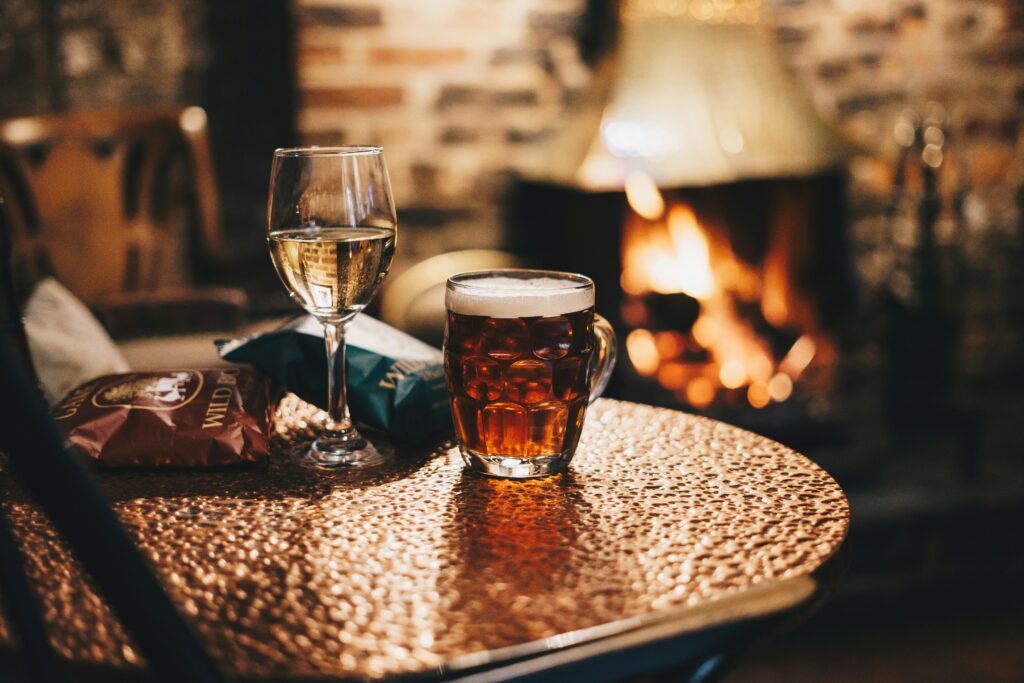
Of course, the countryside pub cannot survive by standing still. Tradition alone is not enough. The best rural pubs understand this. They remain rooted in character and history while adapting intelligently to modern expectations.
They serve local produce, host community events, cater for families, welcome walkers and dogs, offer decent coffee as well as good ale, and create spaces where different generations feel comfortable. A pub does not need to become a theme park of heritage to endure. Nor should it lose its soul in pursuit of trend. The real art lies in balancing authenticity with relevance.
That balance matters because what people are really seeking, often without quite realising it, is a sense of belonging. The old English pub offers that in a way few other spaces can. You do not need an invitation. You do not need to be part of a club. You simply walk through the door. In a time when so many aspects of life feel fragmented or transactional, that kind of welcome is precious. The pub says there is still a place for gathering, for conversation, for laughter, for debate, and for the ordinary but vital act of being together.
There is, too, something profoundly grounding about the countryside pub’s connection to place. The best of them could not exist anywhere else. They belong to their lane, their village green, their valley, their moor, their parish church, their footpath network, and their local people. They carry the stories of generations.
They have witnessed harvests, weddings, wakes, races, storms, celebrations, and hard winters. They are part of the emotional geography of rural England. Remove them, and you remove more than a building. You erode memory, continuity, and identity. For all the talk of preserving the countryside, we often focus almost entirely on landscape. We fight, rightly, to protect hedgerows, meadows, footpaths, stone walls, and old woodlands. But the countryside is not only scenery. It is also culture, custom, and community. A beautiful village without a living centre is not preservation; it is presentation.
It may still look charming from the outside, but it risks becoming hollow. The pub helps keep the countryside alive as a place where people actually live, meet, and belong, rather than simply pass through, photograph, and leave behind.] And that is the point, really. The old English pub is not merely there for passing trade, pleasant though that may be. It is not just for the tourist in walking boots or the motorist seeking lunch on a Sunday. Those visitors are welcome and valuable, of course, but the pub’s deeper role is as a home from home for the people around it.
It is for the locals who need somewhere to exhale after a difficult week, for the widower who comes in for a chat, for the young family looking for community, for the farming friends catching up after market, and for the villagers who know that a place becomes stronger when people have somewhere to gather.
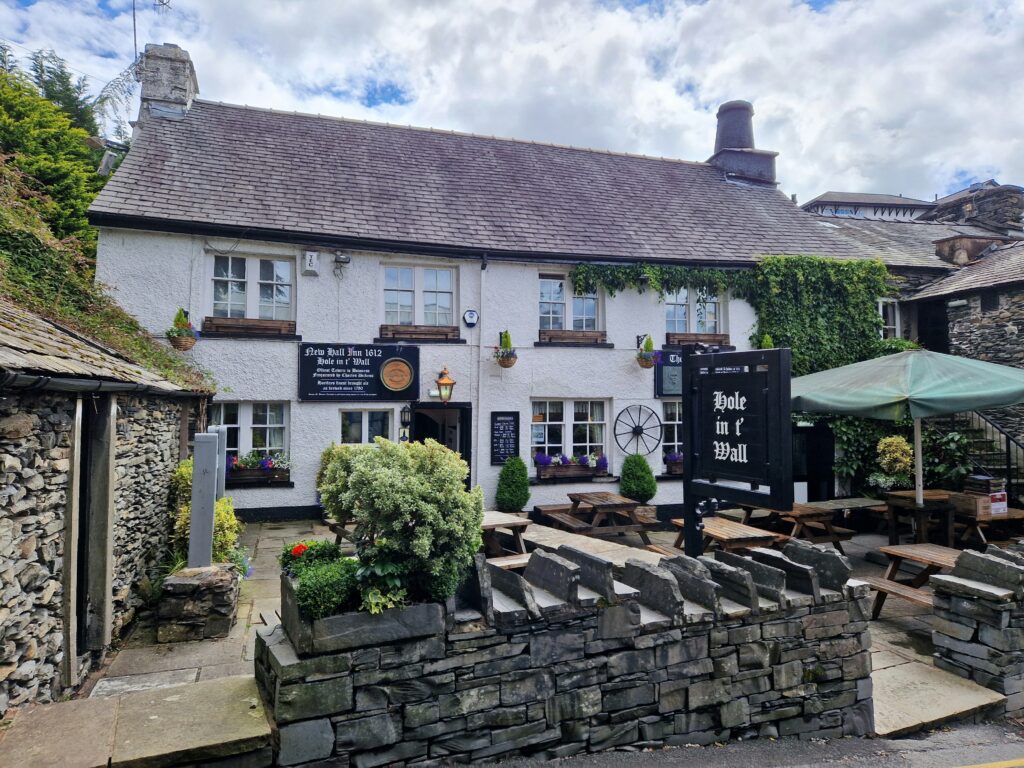
If we lose the countryside pub, we lose one of the last great democratic spaces in rural life. A place where people of different ages, backgrounds, trades, and opinions still sit under the same roof and share, if only for an hour or two, a common ground. That is no small thing. In today’s fractured world, it is one of the most valuable things we have.
So yes, save the old English pub. Save it not because it looks quaint on a postcard, nor because it flatters our sense of heritage, but because it still serves a living, necessary purpose. Keep it open because rural communities need places to meet, to talk, to celebrate, to grieve, to laugh, and to feel less alone. Support it because modern life has become too hurried, too isolated, and too thin in spirit. Cherish it because the countryside deserves more than survival as a backdrop; it deserves to remain a living community.
The old English pub is not a relic. It is a remedy. And if we are wise enough to recognise its worth, there is still time to keep its doors open.