What makes a pub great in 2026 is no longer a simple question, because the pub itself is no longer a simple thing. It exists under pressure from every direction at once: rising costs, changing habits, tighter margins, fewer staff, and a public that still wants everything but understands, at least a little more than it used to, what it takes to keep the doors open. Against that backdrop, greatness doesn’t come from grand gestures. It comes from getting the small things right, consistently, and doing so with a sense of purpose that goes beyond survival.
A great pub in 2026 starts with atmosphere, because atmosphere is the one thing that can’t be ordered from a wholesaler or solved with a rebrand. It’s the feeling you get when you walk through the door and immediately know whether you’re welcome. Not tolerated, not processed, but genuinely welcome. That feeling comes from people more than décor. A nod from behind the bar. Someone who remembers your face, if not your name. A space that feels lived in rather than staged. In a time when so many places feel designed to be photographed rather than inhabited, the best pubs still feel like they belong to the people who use them.
Beer still matters, of course, and a great pub in 2026 understands that variety doesn’t mean confusion. It doesn’t need thirty taps to prove a point. What it needs is a range that makes sense. A proper pint of bitter on cask, well kept and proudly poured. A solid lager that people actually want to drink more than one of. An IPA or two that offer something different without chasing every trend. Maybe something dark, maybe something seasonal. The key is confidence. A great pub knows why each beer is on the bar and isn’t embarrassed by simplicity. Bass on cask, poured well, can say more about a pub’s standards than a fridge full of limited releases no one understands.
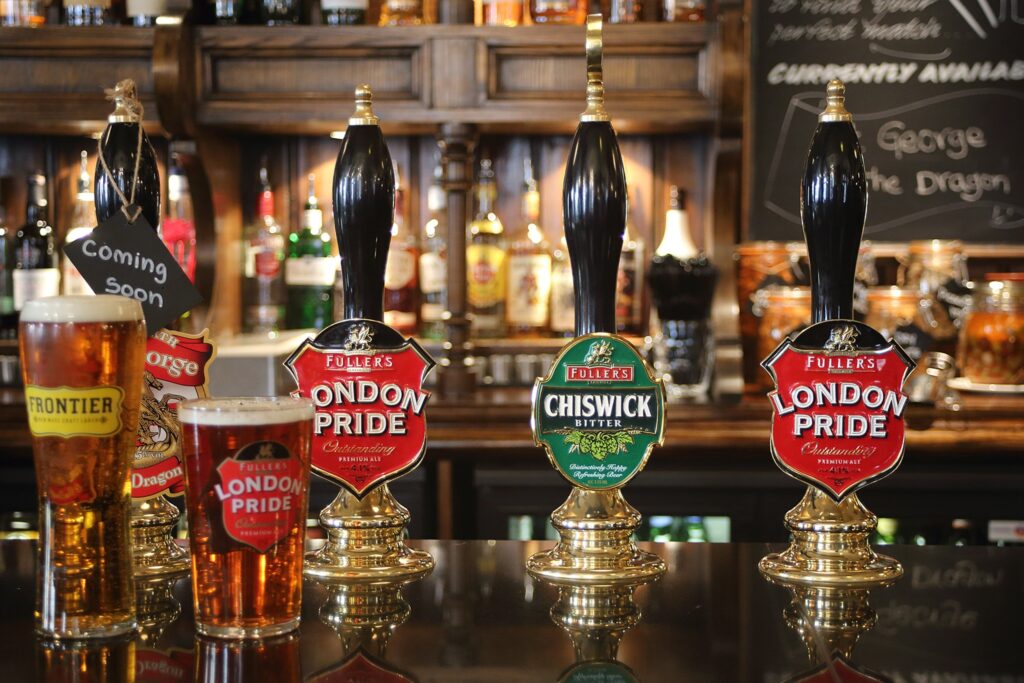
But beer alone doesn’t make a pub great, and it never has. The mistake many places made in the past decade was assuming that better beer automatically meant a better pub. What we’ve learned since is that beer can attract people once, but it’s the experience that brings them back. In 2026, when money is tight and choices are endless, people don’t go to the pub just to drink. They go to belong, even if only for an hour.
That sense of belonging is where the relationship between pub and local becomes critical. A great pub doesn’t just exist in a community; it actively supports it. That support doesn’t have to be loud or performative. It can be as simple as giving local musicians a space to play, even if the bar takings dip slightly on a Tuesday night. It can mean hosting quiz nights, charity raffles, or football fundraisers that don’t generate headlines but do generate goodwill. It can mean knowing when to let a room be noisy and when to let it be quiet.
In return, the locals support the pub. Not out of obligation, but out of loyalty. They choose it over cheaper options at home. They forgive the odd off pint or shorter menu. They understand that prices have gone up because everything has gone up. That relationship is fragile, though, and it only works when it’s mutual. A pub that takes its regulars for granted will quickly find that loyalty isn’t automatic anymore.
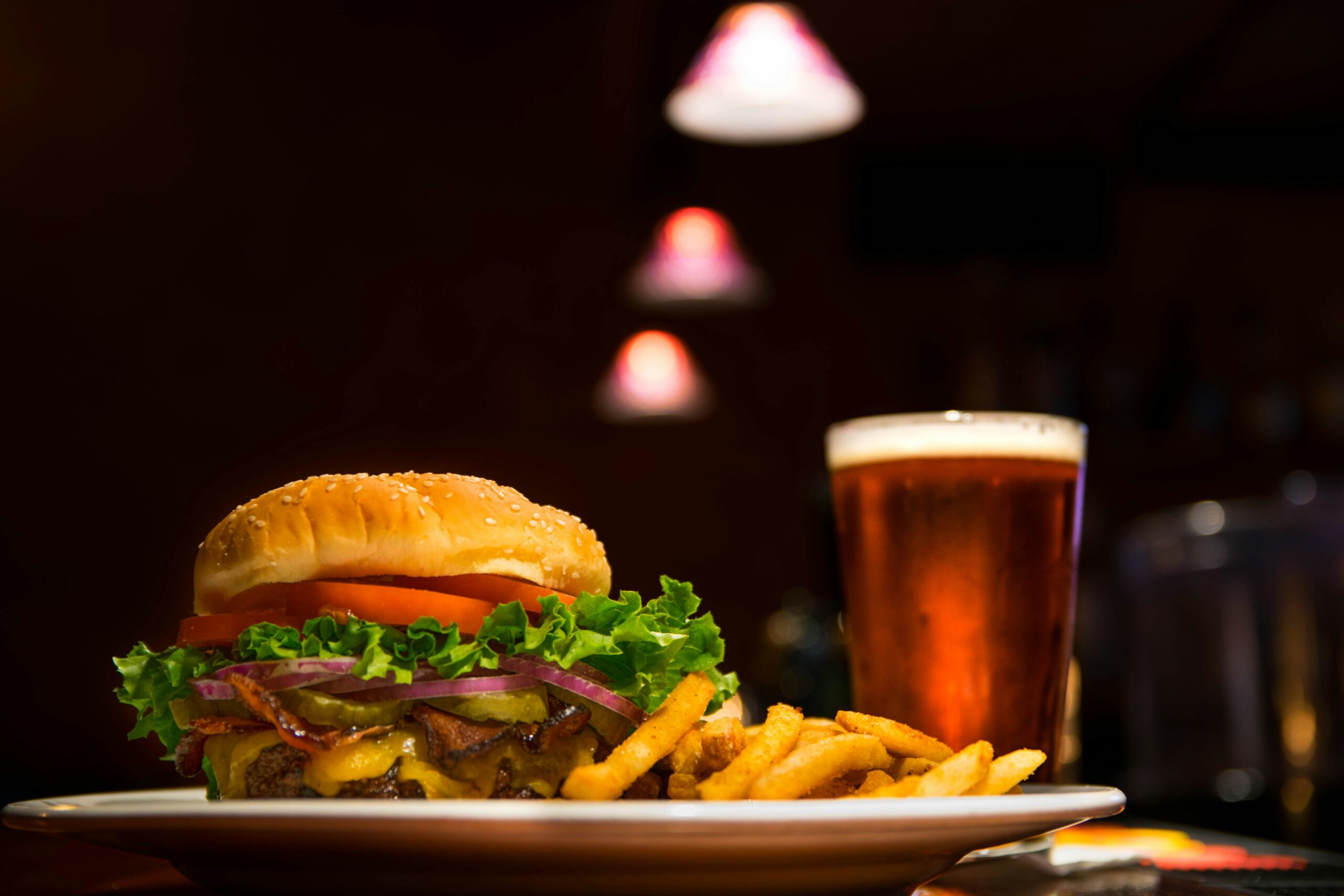
Food, in 2026, is another balancing act. Not every pub needs to be a destination dining room, and trying to be one can often do more harm than good. A great pub understands its limits. If it offers food, it does so well, generously, and honestly. Well-portioned plates that feel like value rather than theatre. Food that complements drinking rather than competes with it. And sometimes, the smallest gestures mean the most. A tray of leftover roast potatoes kept warm on the bar for locals isn’t just food; it’s a signal. It says this place is thinking about the people in it, not just the margins on a menu.
The same goes for comfort. In a cost-of-living crisis that shows no sign of easing, pubs have quietly become refuges again. A warm room, a place to sit, a sense of company. A great pub in 2026 recognises this role without exploiting it. It doesn’t guilt people into spending more than they can afford, but it creates an environment where staying for another pint feels worthwhile. Heating, lighting, seating, music volume – none of it glamorous, all of it essential.
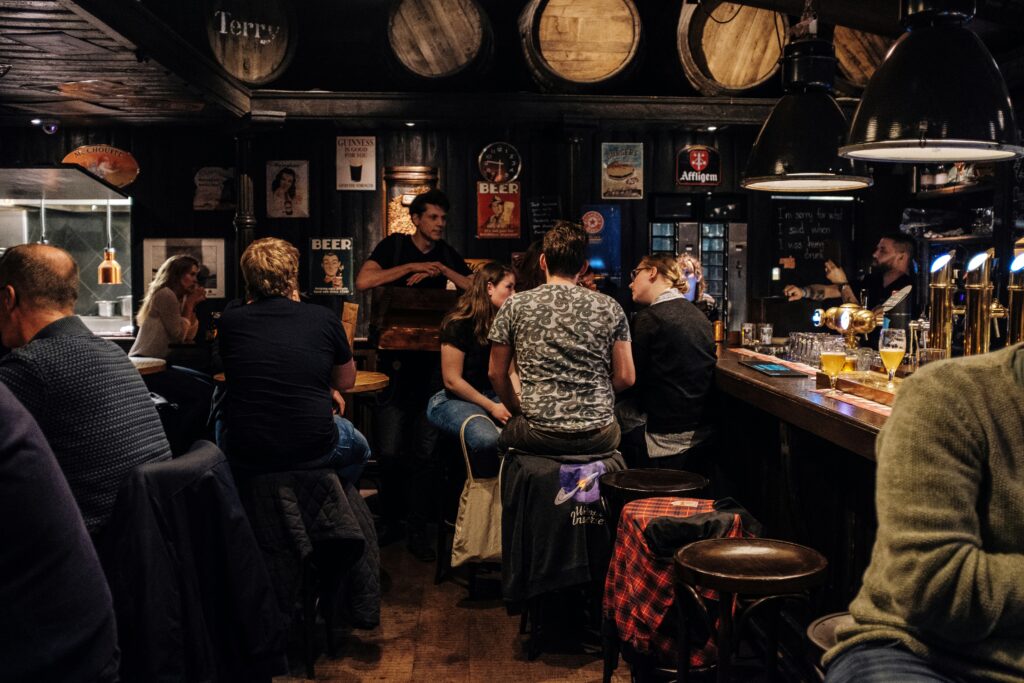
Live music nights are another example of how pubs can punch above their weight culturally. They’re rarely big money-makers, and they’re often more hassle than they’re worth on paper. But they create memories, and memories are what bind people to places. A pub that gives a platform to local bands, singers, or even open-mic nights is investing in its own relevance. It’s saying that this is a space for expression, not just consumption.
All of this is happening against a brutally difficult financial backdrop. The reality that only one in ten pubs is profitable is sobering, and it’s a figure that’s likely to get worse before it gets better. Landlords are juggling energy bills, rent, staffing, stock costs, and compliance, all while being expected to deliver a flawless experience. Locals, meanwhile, are watching their own budgets shrink, forced to make choices about where and how often they go out. It’s a perfect storm, and pretending otherwise doesn’t help anyone.
This is why the definition of a great pub in 2026 has shifted. It’s no longer about being the best at everything. It’s about being good at the right things. Knowing who you are, who you serve, and why you exist. A pub that tries to be all things to all people often ends up meaning nothing to anyone. A pub that serves its community well, even imperfectly, stands a much better chance of surviving.
There’s also something quietly radical about pubs that resist constant reinvention. In an age obsessed with novelty, consistency has become underrated. Knowing that the same bitter will be on the bar, the same seat will be available, the same faces will be there most weeks – that predictability is comforting. It offers stability in a world that feels increasingly unstable.
Great pubs also understand that rules matter, but rigidity doesn’t. They enforce standards without becoming hostile. They manage behaviour without policing enjoyment. They create spaces where different generations can coexist without feeling like they’re in the wrong place. Seeing younger drinkers enjoying a proper pint alongside older regulars isn’t a contradiction; it’s a sign that something is working.
In many ways, the best pubs in 2026 are quietly defiant. They defy the idea that everything has to be optimised. They defy the notion that profit is the only measure of success. They defy the trend towards isolation by offering shared space and shared experience. That defiance doesn’t show up on balance sheets, but it shows up in the way people talk about them, recommend them, and return to them.
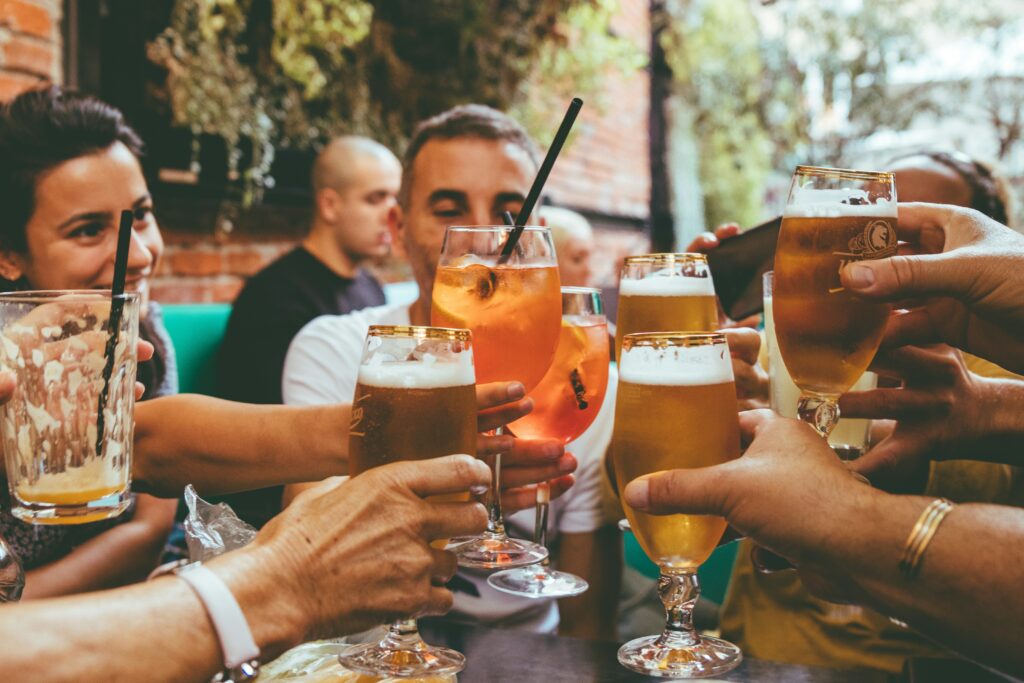
The little things really do matter more than ever. A clean glass. A decent pour. A bit of banter. A warm corner. A sense that someone has thought about your experience, even briefly. None of these things will save the pub industry on their own, but together they form the foundation of what makes a pub worth fighting for.
As pubs continue to close, each one takes a small piece of social infrastructure with it. What replaces them is rarely equivalent. Once a pub is gone, it’s rarely just a building that disappears; it’s a network of relationships, routines, and rituals. A great pub in 2026 understands the weight of that responsibility, even if it never says so out loud.
Ultimately, what makes a pub great in 2026 is not innovation for its own sake, nor tradition preserved in aspic. Its relevance, humanity, and care. Care for the beer. Care for the people. Care for the place it holds in the community. In a time when everything feels precarious, a great pub offers something solid. Not perfect, not effortless, but real. And sometimes, that’s more than enough.