There was a time when ordering a pint didn’t require interpretation. You stood at the bar, glanced up, and you more or less knew what you were getting before the glass ever touched the drip tray. Lager was lager. Ale was ale. And bitter was bitter. Three words, three broad expectations, and a shared understanding between pub, brewer, and drinker. It wasn’t complicated, and it didn’t need to be.
That’s why the quiet disappearance of the word “bitter” from the industry feels like more than just a tweak in terminology. It feels like the erosion of something useful, something honest, and something that once helped people navigate the bar without needing a glossary or a lecture.
When I was a lad, bitter meant something very specific. It didn’t mean aggressive. It didn’t mean unpleasant. It meant balance. It meant a beer built on proper malt character, often with that unmistakable biscuit note, a sense of body, and a firm but friendly bitterness that arrived at the end and reminded you why you were reaching for another sip. It was beer that knew what it was doing without making a fuss about it.
Ale, on the other hand, was broader. It could be deeper, richer, more fruit-led. It could be pale and zesty or dark and comforting. You ordered an ale knowing it might surprise you slightly, but you still had a rough idea of where you were heading. Bitter was more precise. It was a promise.
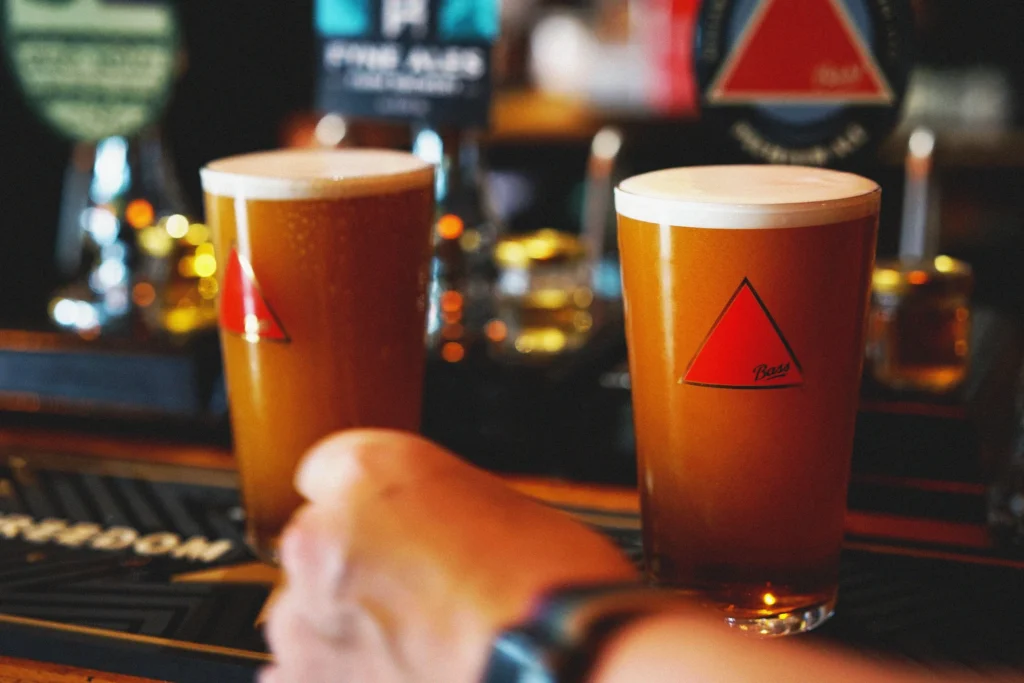
Today, that promise is being quietly rewritten. Bitters are still being brewed, still being poured, still being enjoyed, but the word itself is increasingly absent. In its place, we’re offered the catch-all reassurance of “real ale”. Fuller’s London Pride is perhaps the most obvious example. Once proudly described as a bitter, it’s now more commonly presented simply as a real ale, as if that alone tells you everything you need to know.
And that’s the problem. Real ale tells you how a beer is made and served, not what it tastes like. It’s a technical description, not a sensory one. It says nothing about malt character, hop balance, body, or finish. Calling something a real ale is like describing a meal by how it was cooked rather than what’s on the plate. Useful information, perhaps, but not the whole story.
The removal of the word bitter is often justified as a marketing decision. Bitter, we’re told, sounds old-fashioned. Uninviting. Negative. People don’t like bitterness, apparently, so why would they order a beer that advertises it? This logic might make sense in a focus group, but it collapses the moment you look at how people actually drink beer.
Modern beer culture is obsessed with bitterness. IPAs proudly shout about it. IBUs are worn like badges of honour. Drinkers chase hop intensity and finish after finish that lingers long after the glass is empty. And yet, somehow, the word bitter itself has become too much to handle. It’s a strange contradiction.
What’s really happening isn’t that people dislike bitterness, but that the industry has decided certain words need softening. Bitter doesn’t fit the glossy, approachable language of modern beer marketing. It doesn’t photograph well. It doesn’t sound playful or experimental. It’s solid, straightforward, and unapologetically British. And perhaps that’s precisely why it’s being nudged aside.
The consequence of this shift is subtle but important. By removing clear style language, responsibility is pushed onto the consumer to work it out for themselves. You’re expected to read between the lines, recognise the brand, or already know what you’re ordering. For seasoned drinkers, that might be fine. For everyone else, it’s a barrier.
It’s also a little cheeky. If a pub removes the word bitter from the pump clip and replaces it with real ale, it hasn’t made the beer more accessible. It’s made it less clear. The assumption seems to be that people either won’t care or won’t notice. But plenty do notice, and many care deeply about what ends up in their glass.
Language matters because it shapes expectation. When you order a bitter, you’re primed for that biscuit backbone, that gentle malt sweetness, and that satisfying bitterness at the end. When you order an ale, the field is wider. When you order a real ale, you’re ordering a process, not a profile. Something is lost in that translation.
There’s also a cultural loss at play here. Bitter is a word woven into the fabric of British pub life. It’s been spoken across bars, whispered in snug corners, and shouted over packed rooms for generations. Removing it feels like sanding down a piece of history because it doesn’t fit a modern aesthetic. It’s tidy, perhaps, but it’s also unnecessary.
None of this is about resisting change for the sake of it. Beer has always evolved, and it should continue to do so. Styles blur, tastes shift, and language adapts. But evolution doesn’t have to mean erasure. We didn’t lose the word lager when craft pilsners arrived. We didn’t abandon stout because pastry versions appeared. Bitter deserves the same respect.
What makes this especially frustrating is that bitters are enjoying a quiet resurgence. Younger drinkers are discovering them not as obligations, but as pleasures. They’re finding that a well-kept bitter offers flavour without fatigue, interest without intensity. It’s a beer you can drink all evening and still talk, laugh, and think straight. In that context, stripping away the name feels like missing an opportunity rather than seizing one.
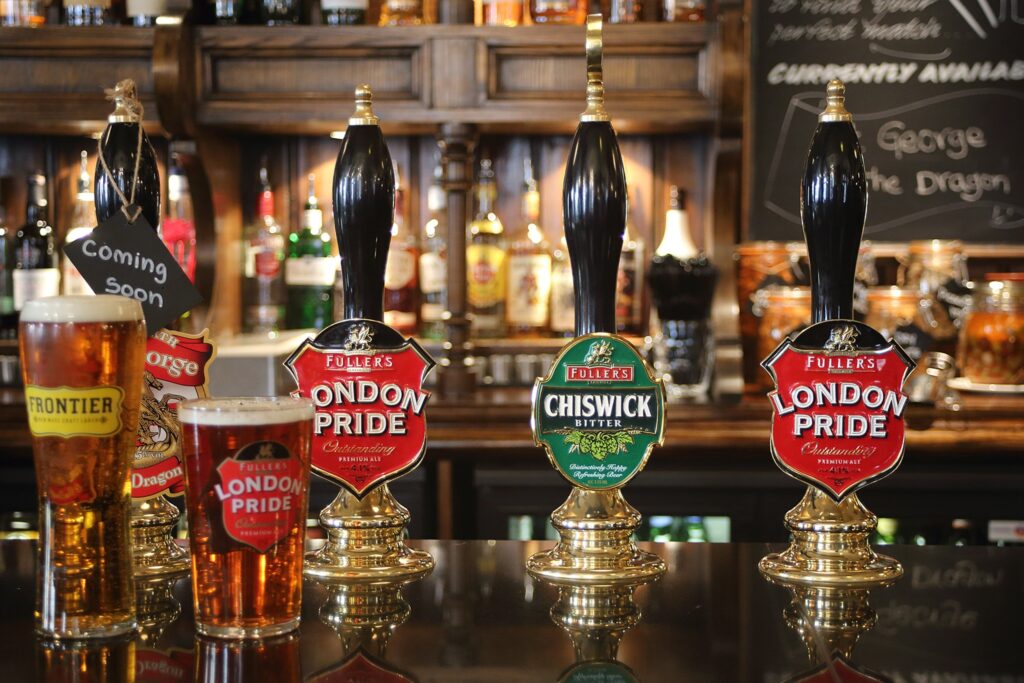
There’s also a risk that, without clear naming, bitters become invisible. They sit on the bar under vague descriptors while louder styles shout for attention. Over time, that can influence what pubs choose to stock and what breweries choose to brew. If the language disappears, the category can follow.
Calling everything a real ale also flattens distinction. It lumps together beers with wildly different characters under one umbrella, as if nuance is a problem to be solved rather than something to be celebrated. Bitter was never a flaw; it was a guide. It helped drinkers make informed choices quickly and confidently.
The irony is that clarity is exactly what modern drinkers often say they want. Less pretence. Less jargon. More honesty. Bitter is one of the most honest words in beer. It tells you upfront what to expect. It doesn’t hide behind romance or reinvention. It just is.
This isn’t about forcing people to use old terms out of nostalgia. It’s about recognising that those terms still have value. Bitter still means something. It still describes a flavour profile that people enjoy. Removing it doesn’t make beer more inclusive; it makes it more opaque.
If the industry genuinely wants to welcome new drinkers, it should trust them with the language of beer rather than shielding them from it. Explain bitter. Celebrate it. Let people decide for themselves whether they like it. Don’t quietly erase it and hope no one notices.
Because some of us do notice. We notice when London Pride stops being called a bitter. We notice when pump clips lose their specificity. And we notice when the shared shorthand of the pub is replaced by something vaguer and less useful.
Bitter deserves its place back on the bar, not as a relic, but as a living, relevant style. It tells a story about British beer that is still being written. Taking the word away doesn’t modernise that story; it just makes it harder to read.
In the end, this isn’t about semantics. It’s about respect. Respect for drinkers, for tradition, and for the simple pleasure of knowing what you’re ordering. Bitter earned its name. It earned its place. And it deserves to keep it.