The rise of the food-led pub is often framed as a success story, a necessary evolution in an industry fighting for survival. And on paper, it makes sense. Food brings higher margins, steadier trade, and a reason for people to book tables rather than just drift in. In an era where only a fraction of pubs are genuinely profitable, it’s easy to see why many landlords have leaned into menus, kitchens, and the promise of becoming a destination rather than a local.
But progress, especially in pubs, is rarely neutral. Every gain comes with a trade-off, and the shift towards the food-led pub has quietly changed what many pubs are, who they’re for, and how they feel. The question isn’t whether food has a place in pubs — it always has — but whether the way it now dominates so many of them has come at the cost of something more fundamental.
I don’t dislike food in pubs. Quite the opposite. I understand that food is often what keeps the lights on. It pays staff, offsets energy bills, and cushions the quieter drinking hours. Without food, many pubs simply wouldn’t survive. That reality can’t be ignored. But somewhere along the way, food stopped being part of the pub experience and started becoming the point of it. And that’s where things begin to feel uncomfortable.
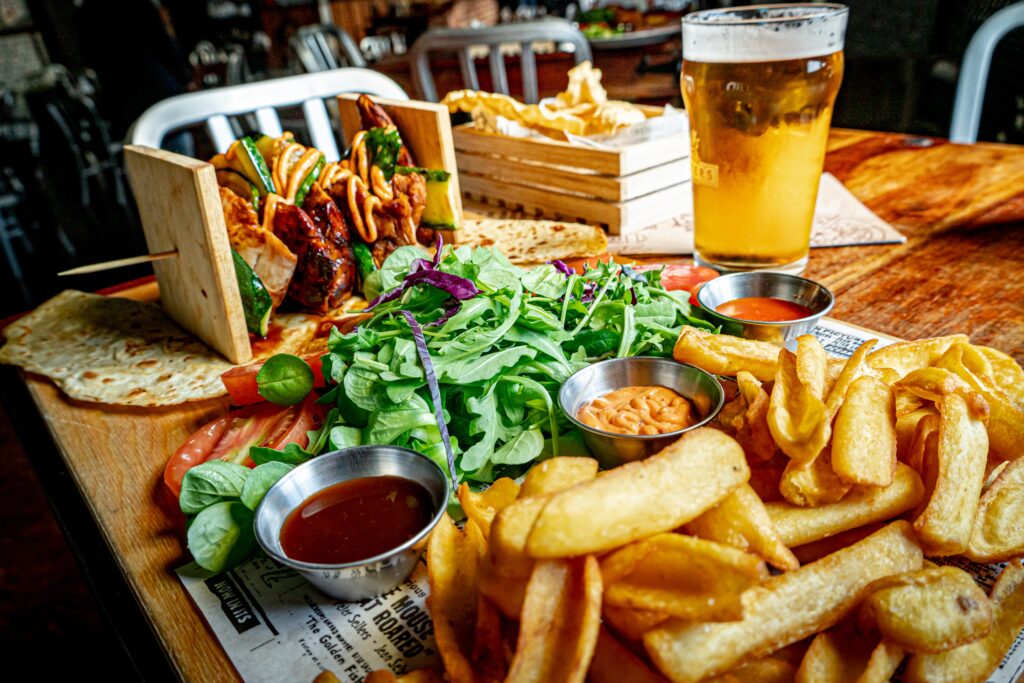
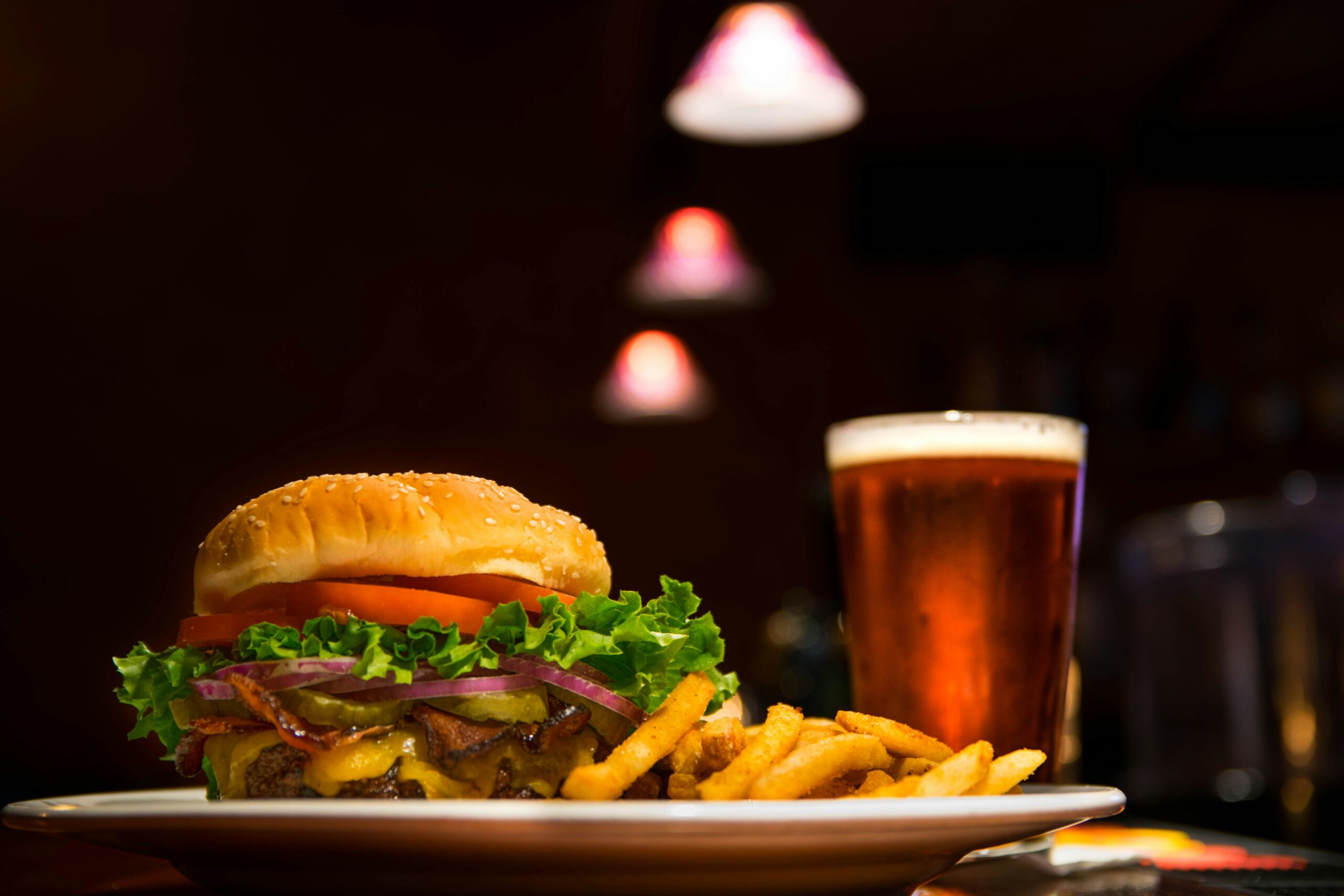
The term “gastropub” was once meant to signal ambition. Better ingredients, thoughtful cooking, and a step up from microwave meals and tired carveries. In its early days, it was about elevating pub food without losing the pub. Today, it often feels like the opposite. The pub becomes the backdrop, the beer an afterthought, and the atmosphere shaped around bookings, table turns, and menu pacing rather than conversation and community.
Walk into many modern food-led pubs and the first thing you’re asked is not what you’d like to drink, but whether you have a reservation. The bar, once the heart of the building, becomes secondary. Seating is optimised for dining rather than lingering. Menus dominate tables. The rhythm of the place shifts from spontaneous to scheduled. For drinkers, especially locals, the message can feel subtle but clear: this place isn’t really for you anymore.
There’s also a creeping sameness to food-led pubs that’s hard to ignore. Despite all the talk of individuality, many menus begin to blur into one another. The same small plates. The same sharing boards. The same “gastro” nibbles designed more for Instagram than appetite. Food that looks clever but leaves you scanning the menu again afterwards. In that world, a simple cheese and onion cob can feel almost radical.
There is something deeply satisfying about a modest, honest pub snack. A sandwich wrapped in paper. A pickled egg. A pork pie. Food that understands its role. It’s there to support the pint, not compete with it. A cheese and onion cob with a pint of bitter doesn’t try to impress you, and that’s exactly why it works. It keeps you drinking, talking, and staying. It belongs to the pub in a way that a three-course tasting menu never quite can.
The danger with heavily food-led pubs is not just that they alienate drinkers, but that they create a different kind of pressure for landlords and staff. Kitchens are expensive. Chefs are hard to retain. Waste is constant. Expectations are high and unforgiving. A bad meal lingers in memory far longer than a decent pint. When food becomes the main draw, the pub is suddenly competing not just with other pubs, but with restaurants — often without the same resources.
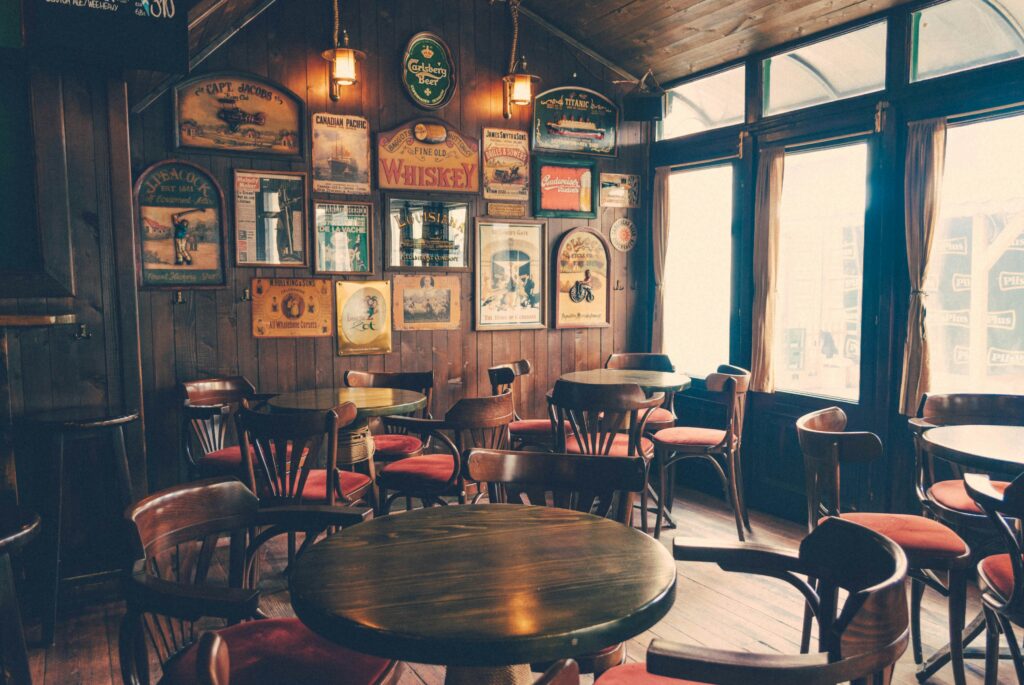
There’s also a shift in atmosphere that’s hard to quantify but easy to feel. Food-led pubs tend to be quieter, more controlled, more polite. None of that is inherently bad, but it changes the social function of the space. Conversations are hushed. Time is rationed. Tables are reset quickly. The sense that you can turn up on your own, sit at the bar, and slowly become part of the evening starts to fade.
This matters because pubs are not just businesses; they are social infrastructure. When food becomes the focus, the pub’s role as a communal space can shrink. Locals who once popped in for a pint after work might feel out of place among dining couples and families. The spontaneous mix of people that gives pubs their character becomes harder to sustain when the room is designed around bookings rather than bodies.
And yet, the irony is that pubs have always served food. Historically, it was simple, filling, and secondary. Stews, pies, bread, cheese. Food that reflected the rhythms of local life. What’s changed is not the presence of food, but its dominance. The modern food-led pub often builds its identity around the kitchen rather than the bar, and in doing so, risks forgetting why people fell in love with pubs in the first place.
None of this is to say that good pub food is a bad thing. When done well, it can enhance the experience rather than overwhelm it. The best pubs strike a balance. They serve food that makes sense for the space, the clientele, and the time of day. They know when to be a place to eat and when to be a place to drink. They allow both to coexist without one erasing the other.
The problem arises when food becomes a requirement rather than an option. When you feel obliged to order a meal just to justify sitting at a table. When menus replace conversation as the centrepiece of the visit. When the bar becomes a waiting area rather than a destination. In those moments, the pub starts to feel less like a pub and more like a restaurant wearing familiar clothes.
There’s also a generational aspect to consider. Younger drinkers are often portrayed as more interested in dining experiences, but many are actually seeking informality and authenticity. They want places that feel relaxed, affordable, and unpretentious. A pub that offers a decent pint and something simple to eat can be far more appealing than one that demands commitment to a full meal.
Financially, food will continue to play a crucial role in keeping pubs afloat. That reality isn’t going away. But survival shouldn’t mean surrendering identity. There is a difference between using food to support the pub and letting food redefine it. The former strengthens the institution; the latter risks hollowing it out.
The rise of the food-led pub forces us to ask what we want pubs to be in the future. Are they primarily places to dine, or places to gather? Can they be both without losing something essential? And who gets left behind when the answer tilts too far in one direction?
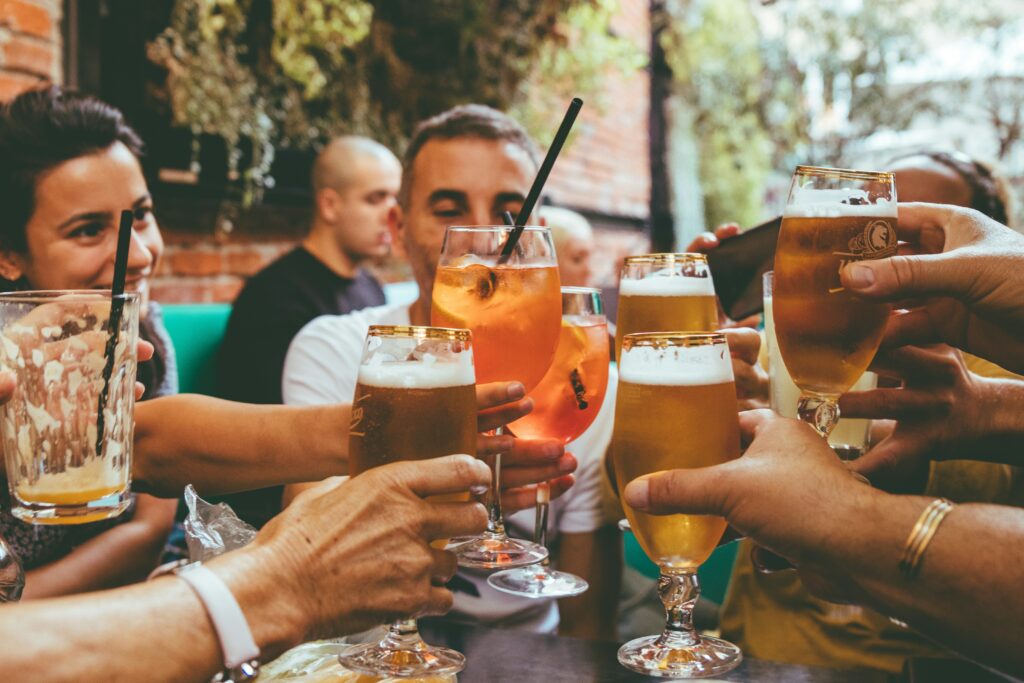
For me, the answer lies in remembering that pubs work best when they are generous rather than grand. When they offer comfort instead of spectacle. When the beer is treated with respect and the food knows its place. A cheese and onion cob shared over a pint of bitter might not photograph well, but it tells you everything you need to know about a pub’s priorities.
Progress in pubs shouldn’t be measured solely in covers served or plates Instagrammed. It should be measured in return visits, familiar faces, and the feeling that the place belongs to the people who use it. Food can help achieve that, but only if it serves the pub, not the other way around.
The rise of the food-led pub is neither entirely progress nor entirely problem. It’s a response to pressure, shaped by economics and expectation. But as pubs continue to navigate an uncertain future, the ones that endure are likely to be those that remember their core purpose. Not to impress, but to welcome. Not to dazzle, but to sustain. And sometimes, that means choosing a cheese and onion cob over gastro nibbles — and trusting that the pint will do the rest.