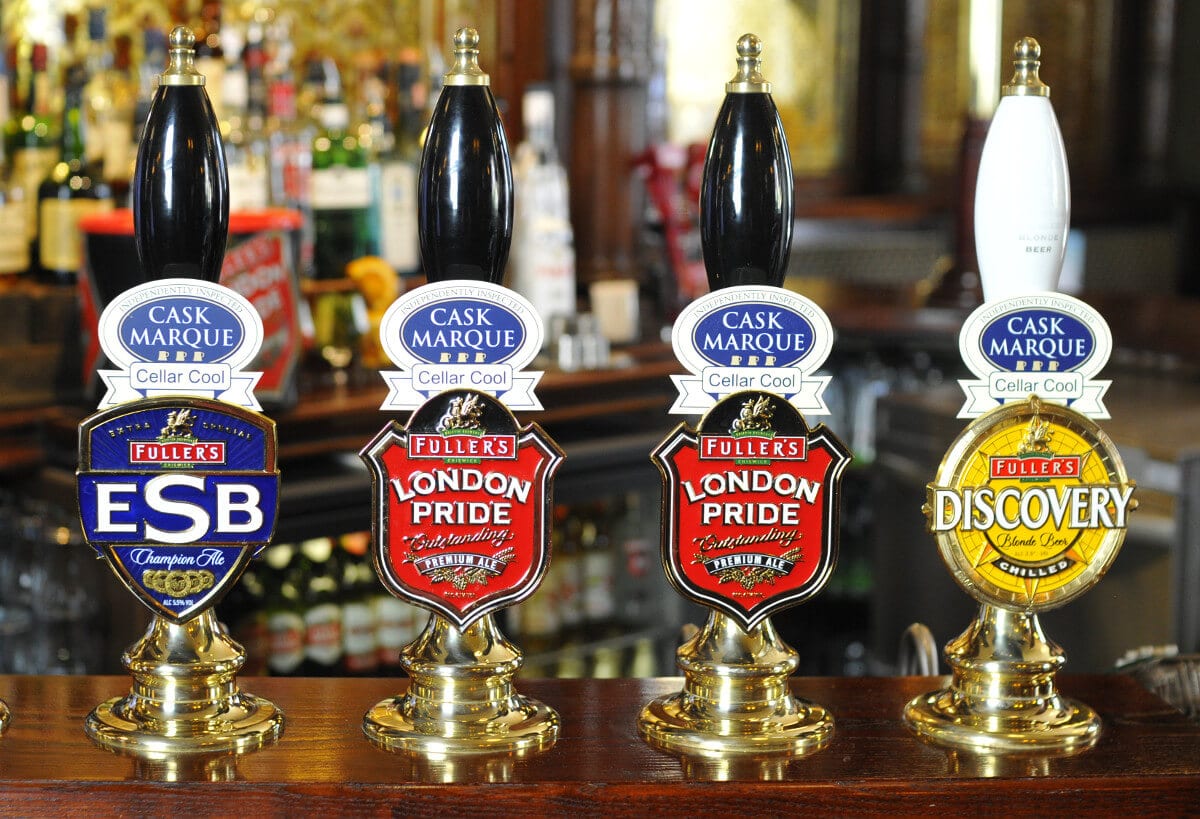
The future of cask ale in Britain is a conversation that feels strangely familiar, because it’s one we’ve been having for decades. Every few years, someone declares it finished. Too old-fashioned. Too fragile. Too much effort. And yet, somehow, cask keeps turning up again, quietly and stubbornly, on the bar of a decent pub, poured with care, tasting exactly like beer should.
Cask ale is one of the few genuinely living traditions left in British drinking culture. It isn’t just beer in a different container; it’s beer that continues to breathe, mature, and change right up until the moment it hits the glass. That simple fact alone makes it wildly out of step with a modern industry obsessed with consistency, scalability, and shelf life. You can’t rush cask, you can’t mistreat it, and you can’t hide behind branding if it’s not right. When it’s bad, everyone knows. When it’s good, there’s nothing else quite like it.
That vulnerability is often framed as cask’s biggest weakness, but it’s also its greatest strength. In a world where beer is increasingly designed to survive shipping containers, cold storage, and social media launches, cask remains defiantly local and human. It demands knowledge from the brewer, respect from the cellar, and patience from the drinker. You’re not just consuming a product; you’re taking part in a chain of care that runs from mash tun to pub pump.
The pressures facing cask ale are real, and they shouldn’t be glossed over. Rising energy costs have made cellar cooling more expensive. Staffing issues mean fewer pubs have experienced cellarmen. Shorter opening hours and unpredictable footfall make managing cask stock riskier. From a purely commercial standpoint, it’s easy to see why some landlords look at kegs as the safer option. Turn the tap, get the same result every time, no fuss, no wastage, no crossed fingers.
But reducing cask ale to a logistical inconvenience misses the point entirely. Britain doesn’t need another interchangeable, perfectly cold, perfectly carbonated beer option. It already has thousands of them. What it risks losing is something uniquely its own. Cask ale isn’t just a format; it’s a cultural marker, as important to the pub as the bar itself. Remove it, and you don’t just change what people drink, you change what the pub is.
For a long time, cask’s defenders were portrayed as nostalgic traditionalists, clinging to flat caps and sepia-toned memories. The irony is that some of the most encouraging signs for cask’s future are coming not from older drinkers, but from younger ones. There’s something quietly reassuring about seeing a new generation approach cask not as an obligation, but as a discovery.
Younger drinkers are often described as novelty-hungry, trend-led, and impatient, but that caricature doesn’t hold up when you watch what actually excites them. Many are tired of gimmicks. They’ve grown up in a market flooded with limited editions, hype drops, and beers that shout louder than they taste. Against that backdrop, Cask offers something refreshingly honest. It doesn’t need to be explained to death. It just needs to be poured properly.
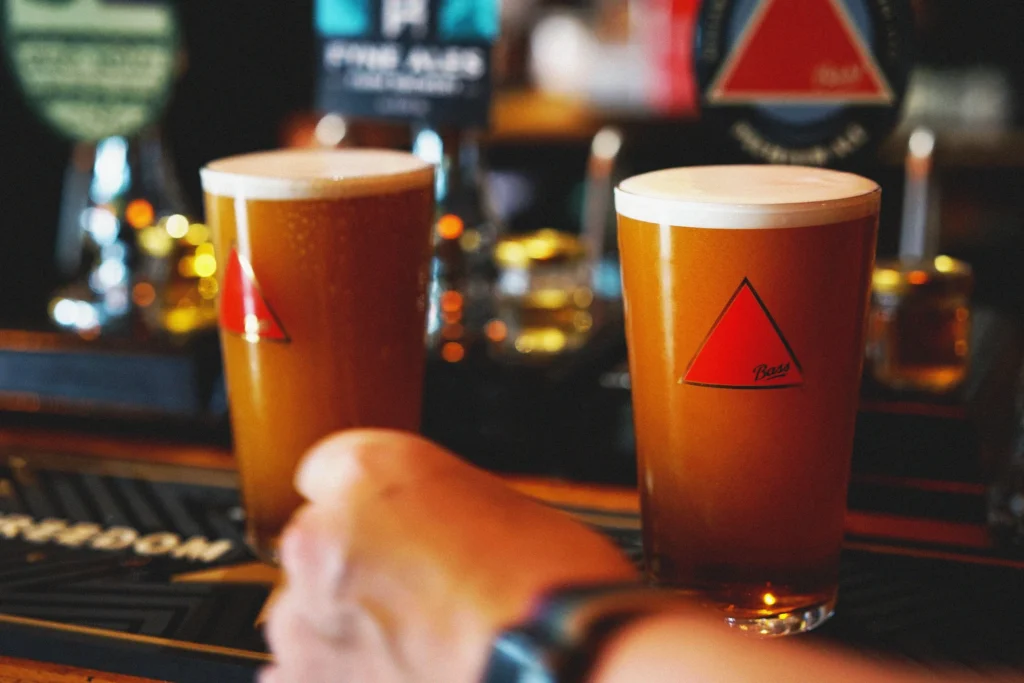
There’s also a pleasing sense of rebellion in choosing cask. Ordering a pint of Bass on handpull in a pub that also serves hazy IPAs and fridge-cold lagers is, in its own way, a statement. It says you’re not drinking to be seen drinking. You’re drinking because you like it. Bass, in particular, feels like a quiet bellwether. Once dismissed by some as an old man’s beer, it’s now being rediscovered for what it actually is: beautifully balanced, subtle, and utterly drinkable. On cask, it makes complete sense.
That rediscovery matters because heritage brands carry memory. They remind us that beer didn’t begin with craft, and it won’t end with it either. Cask connects today’s drinkers with generations who stood at the same bar, pulled the same handle, and enjoyed the same rhythms of pub life. That continuity is rare, and once broken, it’s almost impossible to rebuild.
Cask ale also plays a crucial role in keeping pubs rooted in their communities. Because it’s less forgiving than keg, it encourages good practice. A pub that cares about its cask offering tends to care about the rest of the experience too. Clean lines, trained staff, proper glassware, and a sense of pride all tend to follow. You don’t accidentally run a good cask pub. You choose to.
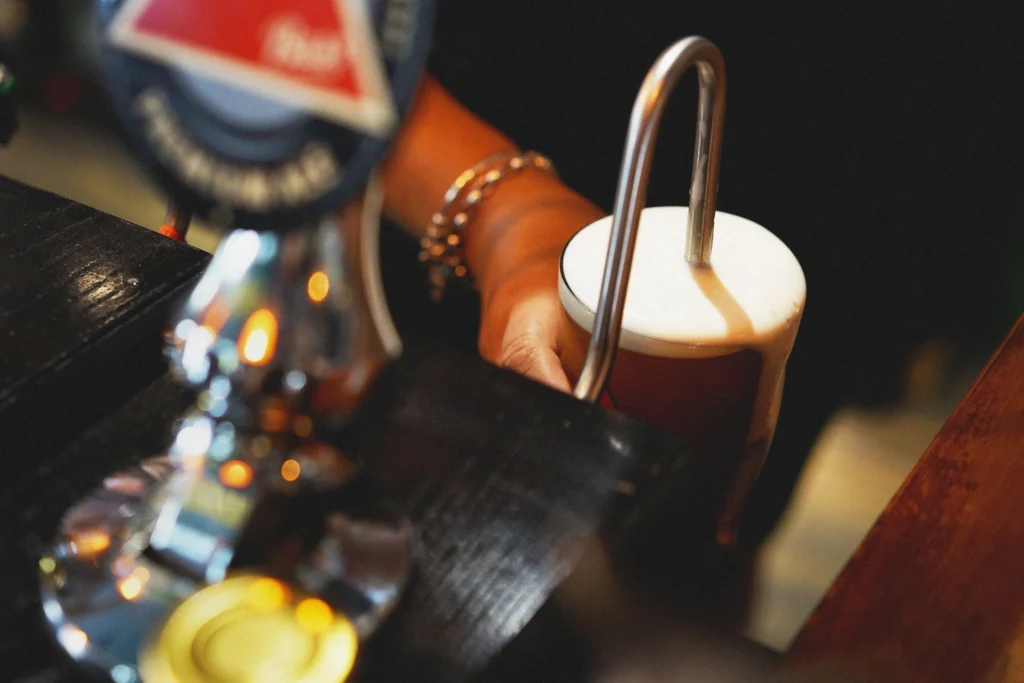
From a brewing perspective, cask remains one of the purest expressions of a brewer’s skill. Without heavy carbonation or extreme hopping to lean on, balance becomes everything. Malt matters. Yeast character matters. Subtlety matters. These are qualities that can be overshadowed in louder beer styles, but on cask, they’re front and centre. It’s telling that many brewers, even those known for modern styles, still speak fondly of cask as the format that taught them the most.
The challenge, then, isn’t whether Cask deserves a future. It’s whether the industry and drinkers are willing to support it properly. That means pubs being honest about whether they can look after it, rather than treating it as a token pump. It means breweries continuing to invest in cask, even when margins are tight. And it means drinkers choosing it, not out of duty, but because they genuinely enjoy it.
There’s also room for Cask to evolve without losing its soul. That doesn’t mean flashy rebrands or abandoning tradition, but it does mean better communication. Explaining what cask is, why it tastes the way it does, and why it might be served slightly warmer than expected can demystify it for newcomers. Too often, cask is left to speak for itself in a market that rarely rewards quiet confidence.
Crucially, the future of cask ale doesn’t depend on it becoming fashionable. It depends on it remaining relevant. Fashion fades; relevance endures. As long as pubs exist as places to gather, talk, and drink at a human pace, there will be a place for cask. It suits conversation. It suits lingering. It suits the kind of evenings that don’t revolve around chasing the next thing.
Seeing younger drinkers embrace cask again isn’t about validation for tradition’s sake. It’s about proof that good beer, served well, transcends generations. When someone in their twenties orders a pint of Bass on cask because they like the taste, not because they think they should, that’s not nostalgia. That’s continuity.
The future of cask ale in Britain won’t be loud or dramatic. It won’t arrive with a launch campaign or a countdown clock. It will look much like its past: a well-kept pint in a well-run pub, enjoyed by people who appreciate it for what it is. Quietly resilient. Deeply British. And still very much alive.