Guinness didn’t conquer the world with noise or novelty. It didn’t rely on constant reinvention, flavour gimmicks, or chasing trends. Instead, it did something far more difficult: it stayed recognisably itself while quietly becoming global. In an industry obsessed with the next big thing, Guinness stands as proof that consistency, patience, and a deep understanding of pub culture can still win.
The story begins in 1759, when Arthur Guinness signed a 9,000-year lease on a run-down brewery at St James’s Gate in Dublin. At the time, there was nothing inevitable about what followed. Ireland was full of brewers. Porter was popular but hardly exclusive. Guinness was simply one brewery among many. What set it apart was not just the beer, but the mindset behind it.
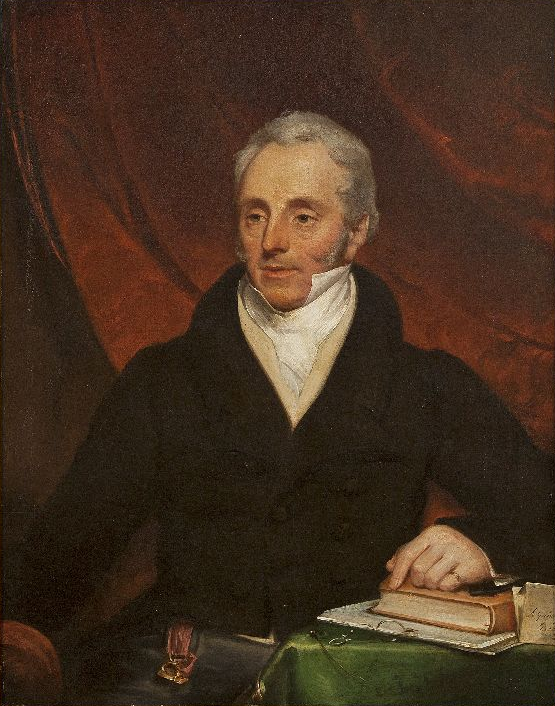
From early on, Guinness understood scale without sacrificing identity. As porter replaced ale as the dominant drink in Britain and Ireland, Guinness refined its product rather than endlessly expanding its range. It focused on quality, stability, and recognisability. While other breweries chased local tastes, Guinness built something that could travel without losing its character.
By the nineteenth century, Guinness had become synonymous with porter, and later stout, exporting across Britain and then further afield. Crucially, it wasn’t marketed as exotic or foreign. Guinness positioned itself as dependable, nourishing, and honest. This was beer you could trust, whether you were drinking it in Dublin, London, or Lagos.
One of the great strengths of Guinness has always been its relationship with pubs. It didn’t just sell beer to publicans; it invested in them. Guinness provided signage, glassware, training, and technical support long before many competitors thought to do so. In return, pubs poured Guinness properly. That relationship created consistency, and consistency builds loyalty.
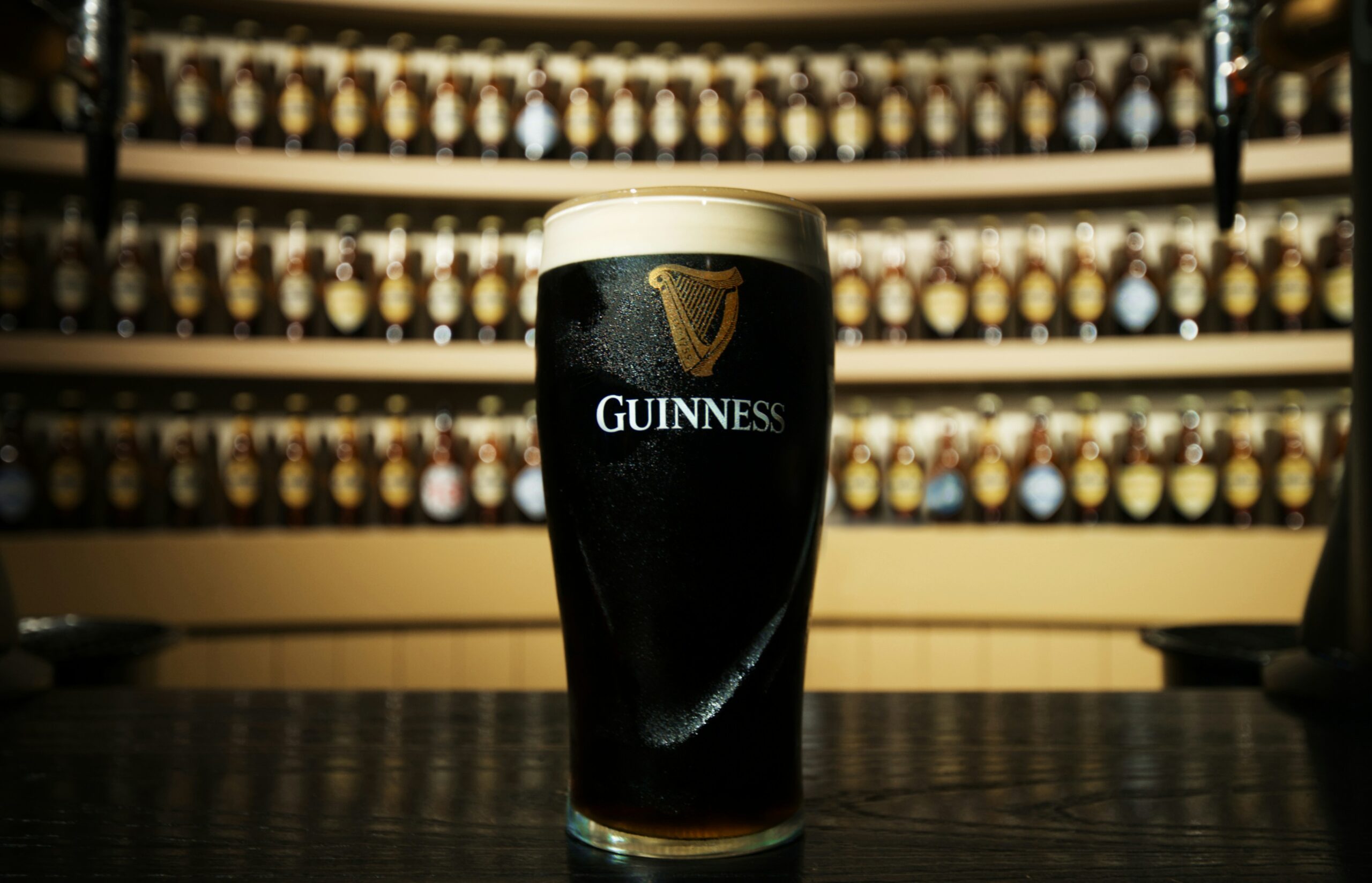
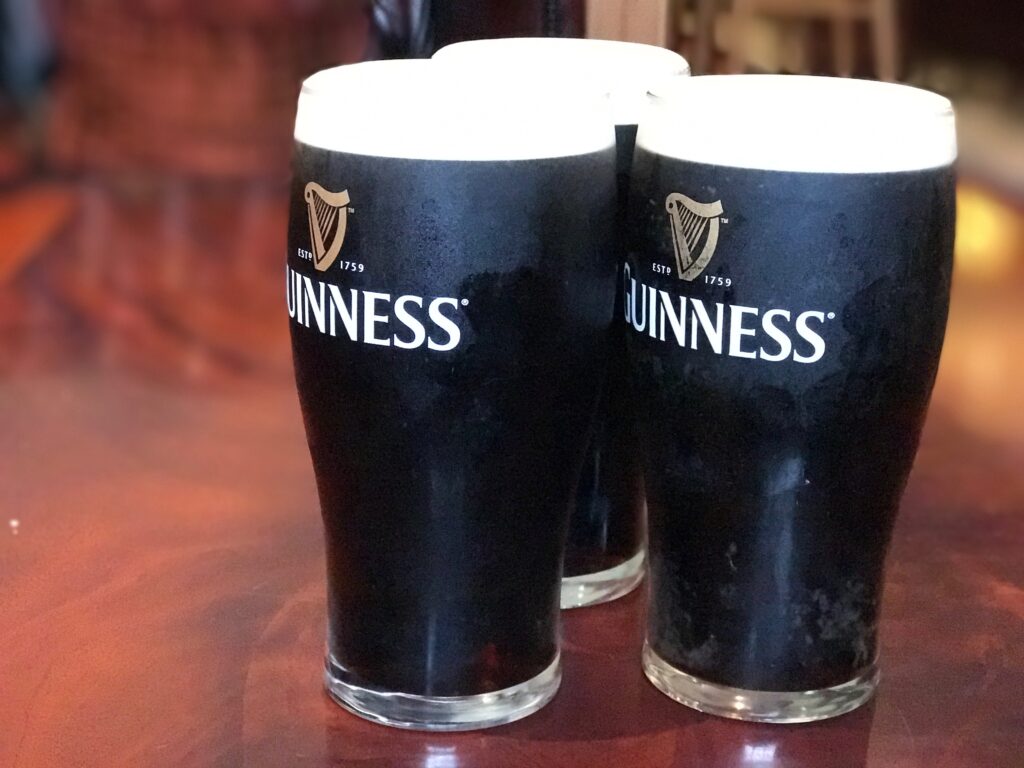
The iconic pint itself became part of the experience. The colour, the creamy head, the slow settle — these weren’t marketing inventions, but natural outcomes of the beer’s composition and dispense. Guinness didn’t rush to explain them; it allowed ritual to develop organically. Ordering a Guinness became a small act of patience, and patience became part of its appeal.
As the twentieth century progressed, Guinness expanded far beyond its Irish roots. It became particularly entrenched in parts of Africa, where it remains one of the most popular beers today. Again, this wasn’t achieved by watering down the product or hiding its origins. Guinness adapted production locally while preserving flavour, strength, and identity. It respected local markets without losing itself.
Advertising played a role, of course, but Guinness advertising rarely shouted about taste. Instead, it leaned into symbolism, humour, and confidence. Campaigns were memorable without being desperate. They trusted that people already knew what Guinness was. The advertising reinforced identity rather than reinventing it.
Perhaps most impressively, Guinness weathered shifts in drinking culture that crippled others. Lager booms came and went. Craft beer exploded and fragmented. Low-alcohol trends rose. Through it all, Guinness remained. It didn’t compete directly with everything new; it simply occupied its own space. You didn’t drink Guinness because it was fashionable. You drank it because it was Guinness.
That distinction matters. Many global brands lose their soul as they scale, flattening flavour and identity to appeal to everyone. Guinness resisted that urge. The beer today is recognisably the same beer people drank generations ago. Minor adjustments have been made, of course, but the core remains intact. That continuity builds trust.
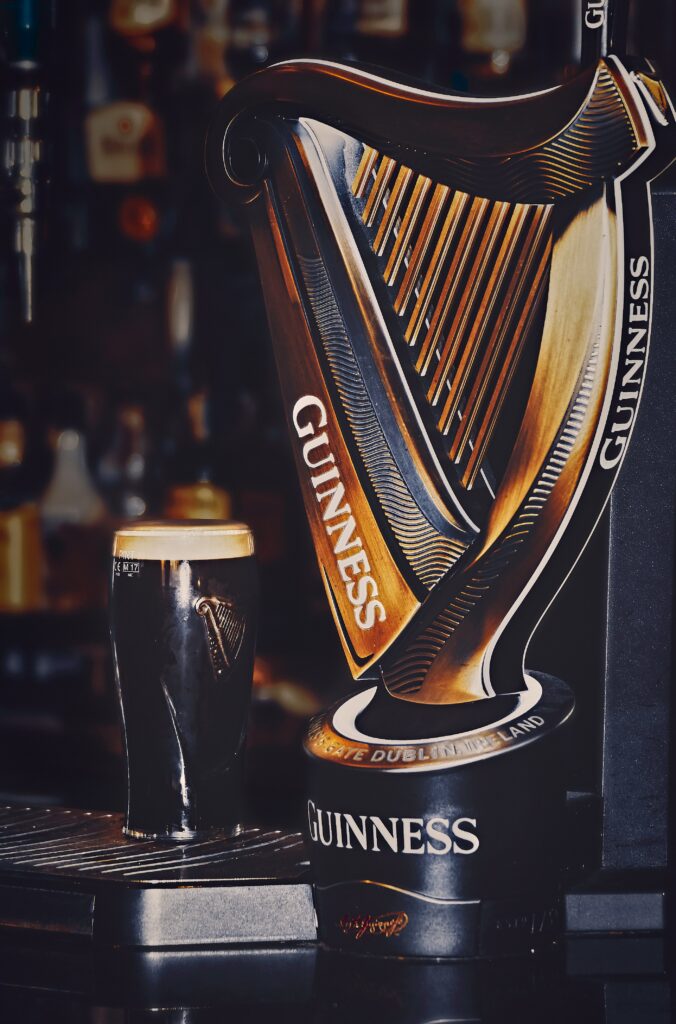
In pubs, Guinness became a constant. Even as pump clips changed and taps multiplied, the black pint remained a fixed point on the bar. It bridged generations. Older drinkers ordered it out of habit and affection; younger drinkers discovered it as something different from the rest of the lineup. In a sea of pale beers, Guinness stood out by refusing to blend in.
There is also a cultural confidence to Guinness that many brands lack. It doesn’t need to explain itself endlessly. It doesn’t apologise for its flavour or appearance. It assumes that if you know, you know — and if you don’t, you’ll learn. That confidence resonates particularly well in pubs, where authenticity is currency.
In recent years, Guinness has enjoyed a renewed surge in popularity, particularly among younger drinkers. This isn’t because the beer changed, but because tastes did. Drinkers began seeking balance, lower perceived sweetness, and beers that didn’t exhaust the palate. Guinness, with its relatively low alcohol content and dry finish, suddenly made perfect sense again.
Social media has played a role, but not in the way many expected. Guinness didn’t chase virality; it benefited from it. The visual drama of the pour, the cultural weight of the brand, and the shared rituals of drinking it translated naturally online. What people shared wasn’t novelty, but tradition.
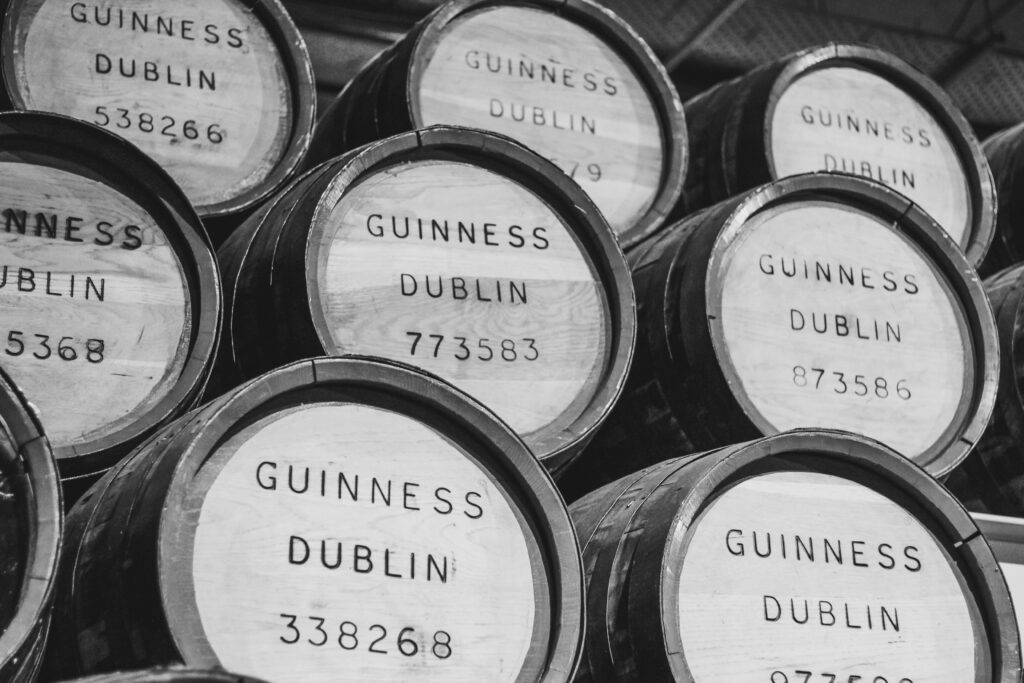
From a pub culture perspective, Guinness’s global success is instructive. It shows that pubs and brands don’t need to abandon identity to survive. They need to understand it. Guinness succeeded because it aligned itself with the rhythms of pub life rather than trying to dictate them. It fitted into conversation, sport, music, and quiet moments alike.
There’s also something quietly reassuring about Guinness’s dominance. In a world where so much feels transient, the presence of a Guinness tap offers familiarity. It tells drinkers that some things endure. That endurance isn’t accidental; it’s the result of long-term thinking, restraint, and respect for the people who pour and drink the beer.
Guinness didn’t win the world by being everything to everyone. It won by being unmistakably itself, everywhere it went. It trusted the pub as its stage, trusted drinkers to find it, and trusted time to do the rest. In an industry often obsessed with speed, Guinness played the long game — and it worked.