Boddingtons Bitter occupies a curious place in British beer history. For some, it’s a symbol of a golden age of session drinking; for others, a reminder of how quickly success can turn into dilution. Few beers have travelled such a dramatic arc through popularity, decline, and tentative rediscovery, and fewer still remain so instantly recognisable by name alone.
The story begins in Manchester in 1778, when Strangeways Brewery was founded, later becoming Boddingtons Brewery after Henry Boddington took control in the nineteenth century. Manchester at the time was a city defined by industry, labour, and long working days, and Boddingtons became closely associated with that world. Its beer was built for drinkability rather than spectacle, designed to refresh rather than overwhelm.
By the mid-twentieth century, Boddingtons Bitter had become the defining beer of Manchester pubs. Pale in colour, light in body, and assertively bitter for its time, it stood apart from the darker, malt-heavy bitters common elsewhere. This paler northern style suited hard water, local tastes, and the rhythm of city life. It was beer for conversation, for repetition, and for long sessions at the bar
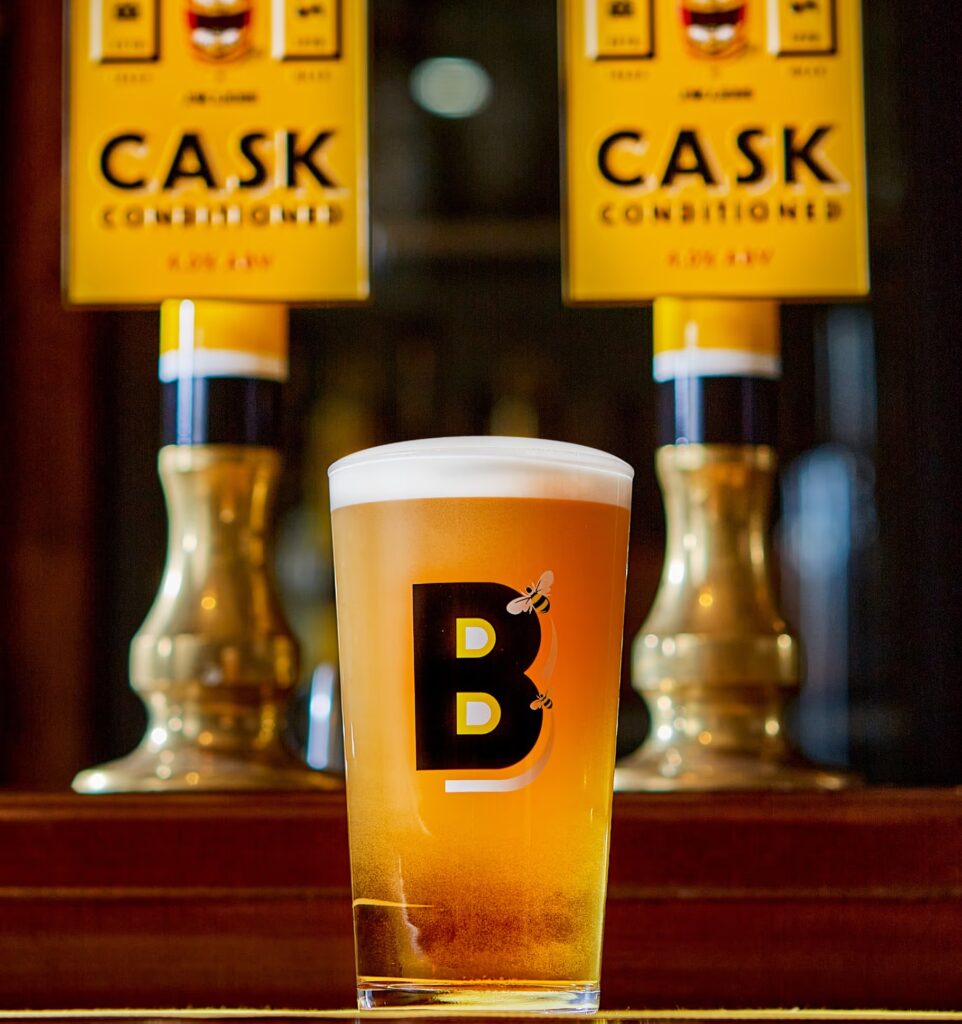
What made Boddingtons so popular was consistency and clarity. Drinkers knew exactly what they were getting. On cask, it delivered a clean malt backbone, a crisp bitterness, and a dry finish that invited another sip. It didn’t demand attention; it earned it slowly. In an era before endless choice, that reliability built fierce loyalty.
The beer’s reputation spread beyond Manchester, helped by the growth of tied houses and distribution networks. By the 1960s and 70s, Boddingtons was no longer just a local favourite; it was a northern icon. Ordering a pint of “Boddies” became shorthand for a certain kind of drinker and a certain kind of pub. It was proudly regional, but widely respected.
The turning point came in the late twentieth century, when consolidation swept through the brewing industry. Boddingtons was acquired by Whitbread in 1989, and with that acquisition came ambition. The beer was positioned not just as a regional bitter, but as a national brand. That ambition would ultimately prove both its making and its undoing.
In the 1990s, Boddingtons was relaunched with a distinctive can and a nitrogen dispense that delivered a creamy head. The marketing was bold, irreverent, and deliberately laddish, perfectly tuned to the era. The campaign worked. Boddingtons became one of the most recognisable beers in Britain, and its canned version in particular enjoyed enormous success.
However, the beer itself was changing. To suit national distribution and packaged formats, the recipe was adjusted. Alcohol content dropped. Flavour softened. The sharp bitterness that defined the cask version was dulled to appeal to a broader audience. For new drinkers, this was Boddingtons as they knew it. For traditionalists, something essential had been lost.
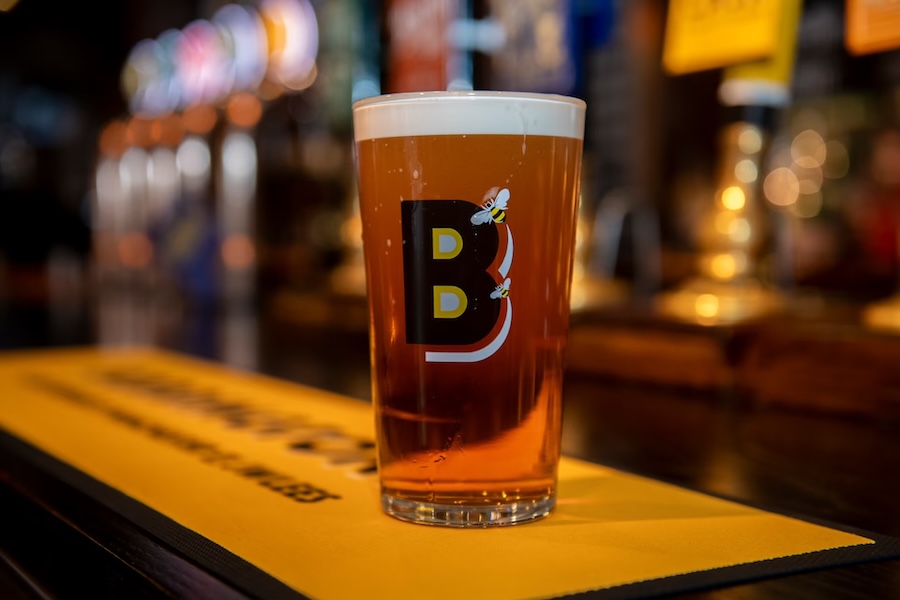
As lager continued to dominate and consumer tastes shifted, Boddingtons’ position weakened. The brand was sold again, eventually ending up under the ownership of AB InBev. Brewing moved away from Manchester, severing a symbolic link that mattered deeply to loyal drinkers. Cask availability declined, and in many pubs it disappeared entirely.
By the early 2000s, Boddingtons had become, in the eyes of many, a shadow of its former self. The canned version persisted, but the beer’s cultural relevance faded. It was no longer the bitter of the bar; it was a supermarket staple, often purchased more out of habit than enthusiasm. For a beer once synonymous with freshness and sessionability, this was a significant fall.
Yet beer history has a habit of looping rather than ending. As interest in traditional styles began to re-emerge, drinkers started to reassess beers they’d previously dismissed. Bitter, once seen as old-fashioned, was rediscovered by a new generation seeking balance, drinkability, and lower alcohol options. In that context, Boddingtons’ story began to feel unfinished rather than concluded.
In recent years, there has been renewed interest in classic British beers and regional identities. Drinkers tired of extremes started looking back towards beers that prioritised balance over intensity. Boddingtons, as a name and a style, benefitted from that shift, even if the beer itself remained largely unchanged in packaged form.
The revival is not about nostalgia alone. Younger drinkers encountering Boddingtons today often do so without the baggage of disappointment. They judge it on its merits: light, approachable, easy-drinking. In a market saturated with strong, heavily flavoured beers, that simplicity can be refreshing. It aligns neatly with the broader movement towards drinking less but drinking better.
There is also growing interest in cask-conditioned bitter more generally, and with that comes renewed discussion about beers like Boddingtons and what they once represented. While the original Manchester-brewed cask version is unlikely to return in its historic form, the conversation itself signals a renewed respect for the category.
Boddingtons’ place in the industry today is quieter, but no less instructive. It serves as a case study in how scale can erode identity, how marketing can outpace substance, and how beer styles can fall out of favour only to return decades later. Few beers illustrate the risks and rewards of national ambition so clearly.
Its re-emergence, modest though it may be, reflects changing tastes rather than corporate strategy. Drinkers are once again valuing balance, sessionability, and familiarity. In that environment, Boddingtons feels less like a relic and more like a reminder of what British bitter once did so well.
Whether Boddingtons will ever reclaim its former cultural dominance is beside the point. Its renewed relevance lies in what it represents: a connection to a time when bitter was a daily pleasure rather than a niche interest. As pubs and drinkers reassess what they value, beers like Boddingtons find space again, not as icons of the past, but as part of a broader return to drinkable, honest beer.
Boddingtons Bitter didn’t just rise, fall, and return. It mirrored the industry itself, shaped by consolidation, marketing, changing tastes, and eventual rediscovery. Its story is, in many ways, the story of British beer over the last fifty years.