Beer has always been more than just a drink. It’s ritual, routine, and reward. It’s the quiet pint after work, the shared round among friends, the slow Sunday afternoon that stretches into evening. Yet behind the comforting familiarity of beer lies an industry under real pressure. Rising costs at almost every stage of production are forcing brewers, pubs, and drinkers to ask an uncomfortable question: can beer survive becoming steadily more expensive without losing its soul?
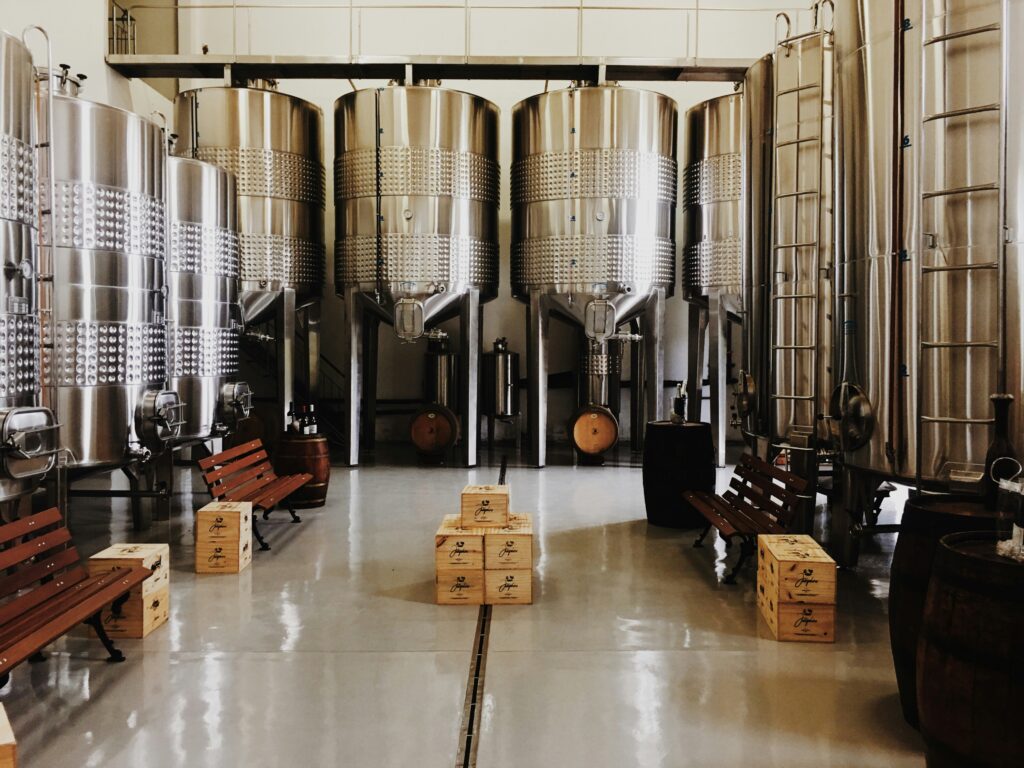
The pressures begin at the raw-material level. Barley prices have climbed amid unpredictable weather, tighter margins for farmers, and global supply disruption. Hops, often imported and increasingly affected by climate volatility, have followed a similar trajectory. Energy costs have added another heavyweight. Brewing is energy-intensive, relying on heat, cooling, and refrigeration, and for many small and medium-sized breweries, soaring utility bills have been nothing short of brutal. What was once a manageable overhead has become a defining threat.
Packaging hasn’t been spared either. Glass prices are up. Aluminium costs have surged. Cardboard shortages and transport inflation mean that even getting beer into cans, bottles, or kegs now costs significantly more than it did just a few years ago. Add fuel prices to the mix and the simple act of moving beer from brewery to pub becomes another strain on already tight margins. None of this happens in isolation. Each cost compounds the next, pushing the final price ever higher.
For brewers, particularly independents, the challenge is existential. Absorbing these costs indefinitely isn’t possible, but passing them on risks alienating loyal customers. Many breweries have already cut back on experimentation, seasonal releases, and lower-margin styles just to stay afloat. The irony is that the modern beer renaissance, built on creativity and diversity, is now being squeezed by the very economics that once allowed it to flourish.
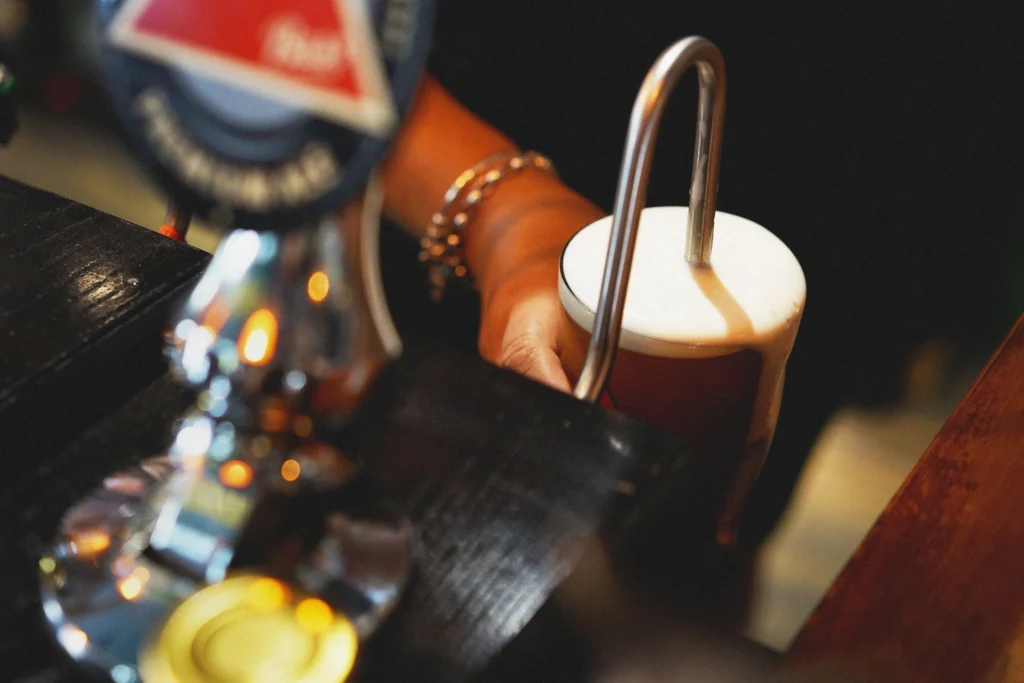
Pubs sit at the sharpest end of this pressure. The price of a pint has become a lightning rod for public frustration, yet landlords are often blamed for increases they can’t avoid. Rent, business rates, staffing, insurance, and energy bills have all climbed. Beer is no longer the high-margin product many assume it to be, especially for traditional pubs that pride themselves on well-kept cask ale. Each price rise risks deterring customers, particularly in rural areas where disposable income and footfall are already fragile.
Drinkers, too, are changing their behaviour. Faced with higher prices, many are drinking less often, choosing quality over quantity, or staying at home altogether. This isn’t necessarily a rejection of beer, but it does signal a shift in how it fits into everyday life. The casual midweek pint has become a considered purchase. Rounds are shorter. Visits are less frequent. Beer is edging away from being a staple and towards being a treat.
Some see hope in premiumisation. Craft beer, small-batch brewing, and distinctive local identities allow higher prices to feel justified. When beer tells a story, reflects a place, or showcases skill, drinkers are often willing to pay more. But this model has limits. Not every pub can pivot to premium craft, and not every drinker wants beer to feel like a luxury item. There is a risk that beer becomes stratified: special and expensive for some, inaccessible for others.
The supermarket adds another layer of complexity. Cheap multipacks and aggressive promotions have trained consumers to expect beer at prices that don’t reflect true production costs. While pubs struggle to justify £5 or £6 a pint, supermarkets continue to sell beer at margins that small brewers and publicans simply can’t match. This imbalance undermines the on-trade and shifts drinking further into the home, weakening the social fabric that pubs provide.
Yet beer has survived worse. It has endured wars, rationing, prohibition, and industrial consolidation. Its resilience lies in its adaptability. Brewers are exploring lower-alcohol beers, more efficient production methods, and direct-to-consumer sales. Pubs are diversifying with food, events, and experiences that beer alone can no longer support. Drinkers, for their part, are becoming more discerning, more curious, and more appreciative of what goes into a well-made pint.
There is also a growing recognition that beer has value beyond its price tag. It supports agriculture, manufacturing, hospitality, and local economies. It creates places where people gather without ceremony or invitation. As costs rise, the conversation may need to shift from how cheap beer can be to what fair beer really costs. That includes fair pay for brewers, sustainable practices for farmers, and viable margins for pubs.
The real danger is not that beer becomes more expensive, but that it becomes disconnected from everyday life. If rising costs push it out of reach or strip away its role as a social constant, something important is lost. Beer has always thrived on accessibility. It doesn’t demand reverence or expertise. It simply asks to be shared.
So can beer survive rising costs? Almost certainly. But survival alone isn’t enough. The challenge ahead is ensuring that beer remains woven into daily culture, not elevated beyond it. That will require honesty about pricing, support for pubs and brewers, and a willingness from drinkers to recognise that a good pint is worth paying for. If that balance can be struck, beer won’t just survive — it will endure, just as it always has.