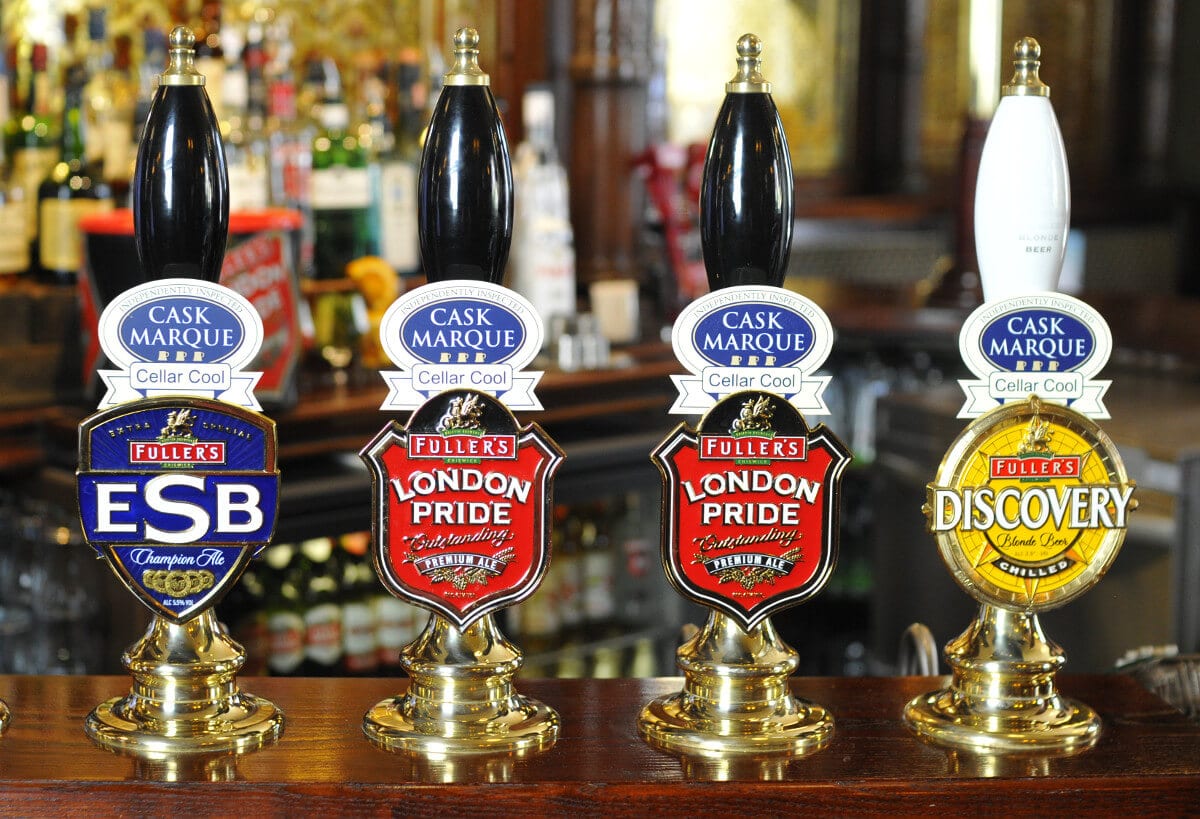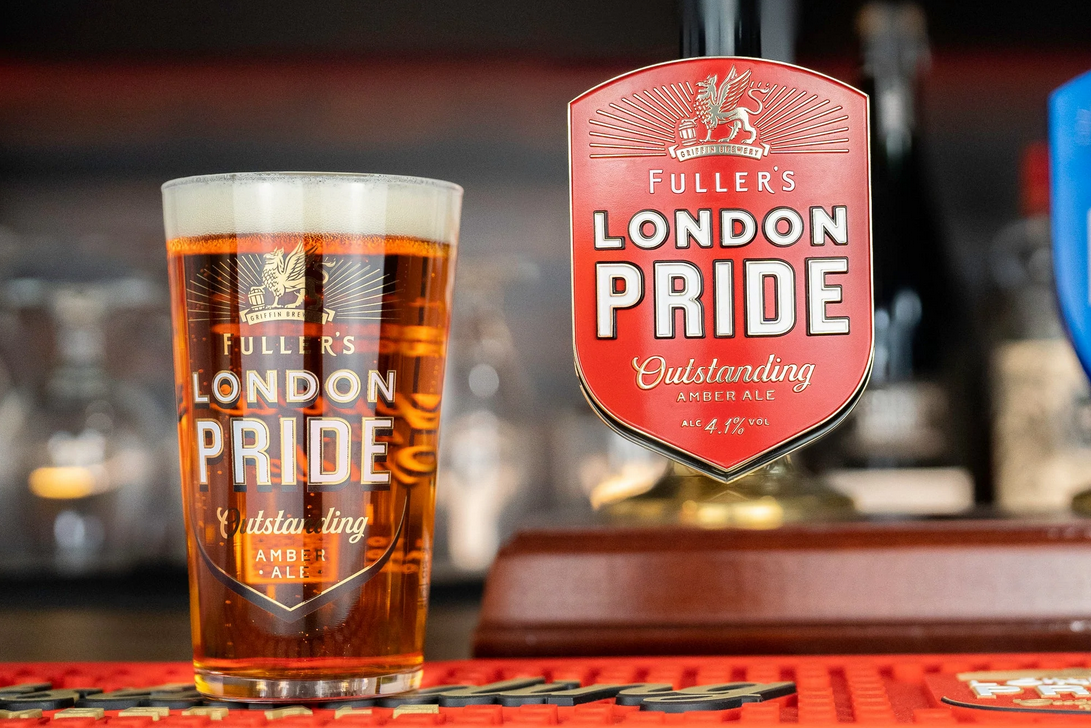
Few beers are as closely bound to the identity of a city as Fuller, Smith & Turner London Pride. For generations, it has been more than just a best-selling premium bitter; it has been a symbol of London’s brewing heritage, a pub staple that has weathered changing tastes, shifting ownership structures, and the modern pressures facing British beer. In an era when the beer landscape is increasingly fragmented by trends, styles, and limited releases, London Pride stands out for its continuity and quiet confidence.
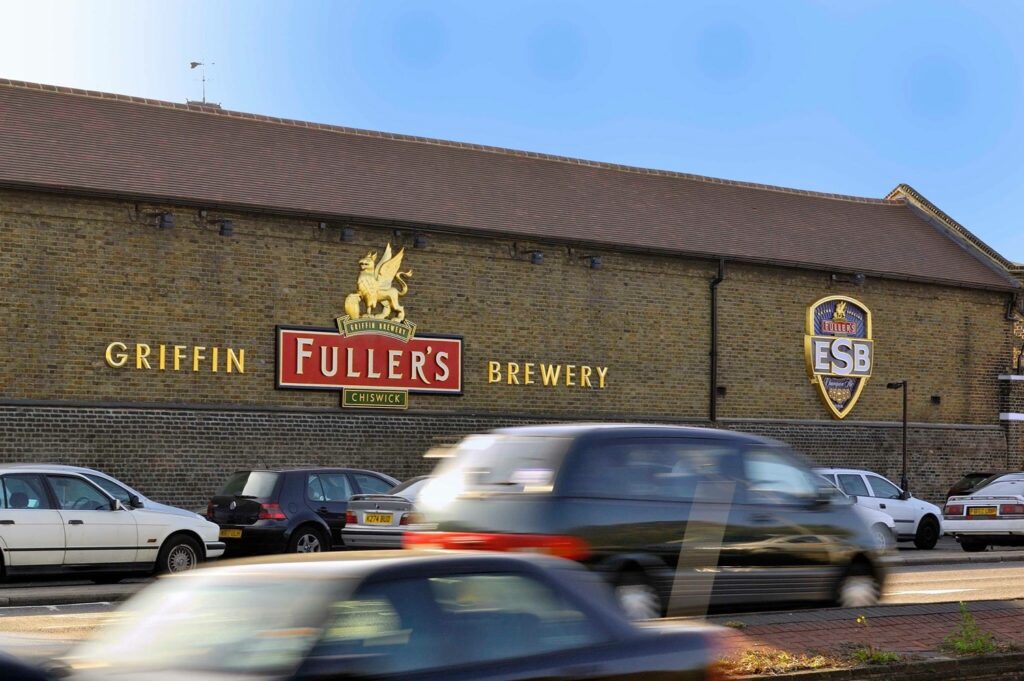
First brewed in 1959 at the Griffin Brewery in Chiswick, London Pride was created during a period of rebuilding and renewal in post-war Britain. The name itself was a nod to the resilience of the capital and its people, inspired by the floral displays that brightened bomb-scarred London during the Festival of Britain in the early 1950s. From the outset, the beer was intended to be accessible, balanced, and unmistakably British — a modern bitter that could appeal to a broad audience without sacrificing character.
At its core, London Pride is a classic English ale, built around a blend of pale malt and crystal malt, giving it its signature copper colour and gentle sweetness. The hop bill, traditionally featuring English varieties such as Target, Challenger, Northdown, and Goldings, delivers restrained bitterness and earthy, floral notes rather than overt punch. The result is a beer that sits comfortably in the hand pump tradition, offering drinkability first and foremost, but with enough complexity to reward attention.
What has set London Pride apart over the decades is its consistency. While many beers have come and gone, reformulated or quietly retired, Pride has remained remarkably stable. That stability is no accident. Fuller’s has long emphasised brewing discipline, yeast management and quality control, ensuring that a pint poured in a pub today closely resembles one enjoyed decades ago. In a heritage context, that matters. Beer, after all, is a living product, and maintaining continuity across generations is no small feat.
The beer’s rise mirrored the expansion of Fuller’s pub estate throughout London and the South of England. As tied houses poured London Pride as their flagship bitter, it became embedded in everyday pub culture — the default choice for countless drinkers seeking something reliable and familiar. For many, it was the pint ordered without thinking, the beer that marked the end of a working day or the beginning of a long conversation at the bar.
Yet London Pride’s story is not simply one of comfort and tradition. It has also had to adapt. The late twentieth century saw shifts in drinking habits, with lager dominance and later the rise of craft beer challenging traditional bitters. While some heritage brands struggled to stay relevant, London Pride largely avoided being pigeonholed as old-fashioned. Part of this was due to careful brand stewardship. Fuller’s resisted radical reinvention, instead focusing on presenting Pride as a premium, well-made beer with a clear sense of place.
Export markets played a role too. London Pride found an audience beyond the UK, particularly in Europe, Australia and parts of Asia, where British ales retained an air of authenticity and prestige. Bottled and canned versions helped spread the beer’s reach, introducing international drinkers to the idea of a balanced English bitter long before “heritage styles” became fashionable again.
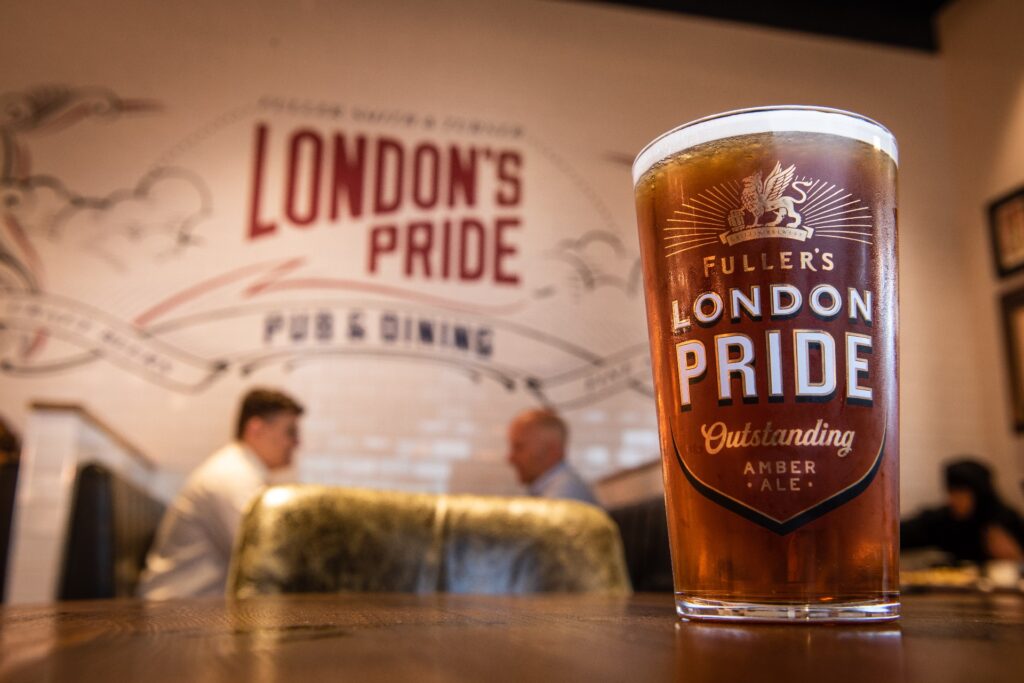
A major chapter in the beer’s modern history came in 2019, when Fuller’s sold its brewing arm to Asahi Europe, retaining its pubs and hotels business. The deal raised understandable questions about the future of one of Britain’s most recognisable beers. Could London Pride remain London Pride under global ownership? For many drinkers, heritage beers are inseparable from the independence of their brewers.
In the years since, Fuller’s London Pride has continued to be brewed at the Griffin Brewery, using the same yeast strain and core processes. While corporate ownership has changed, the physical and human infrastructure behind the beer has remained largely intact. From a heritage perspective, this continuity has been crucial in maintaining trust among long-standing drinkers.
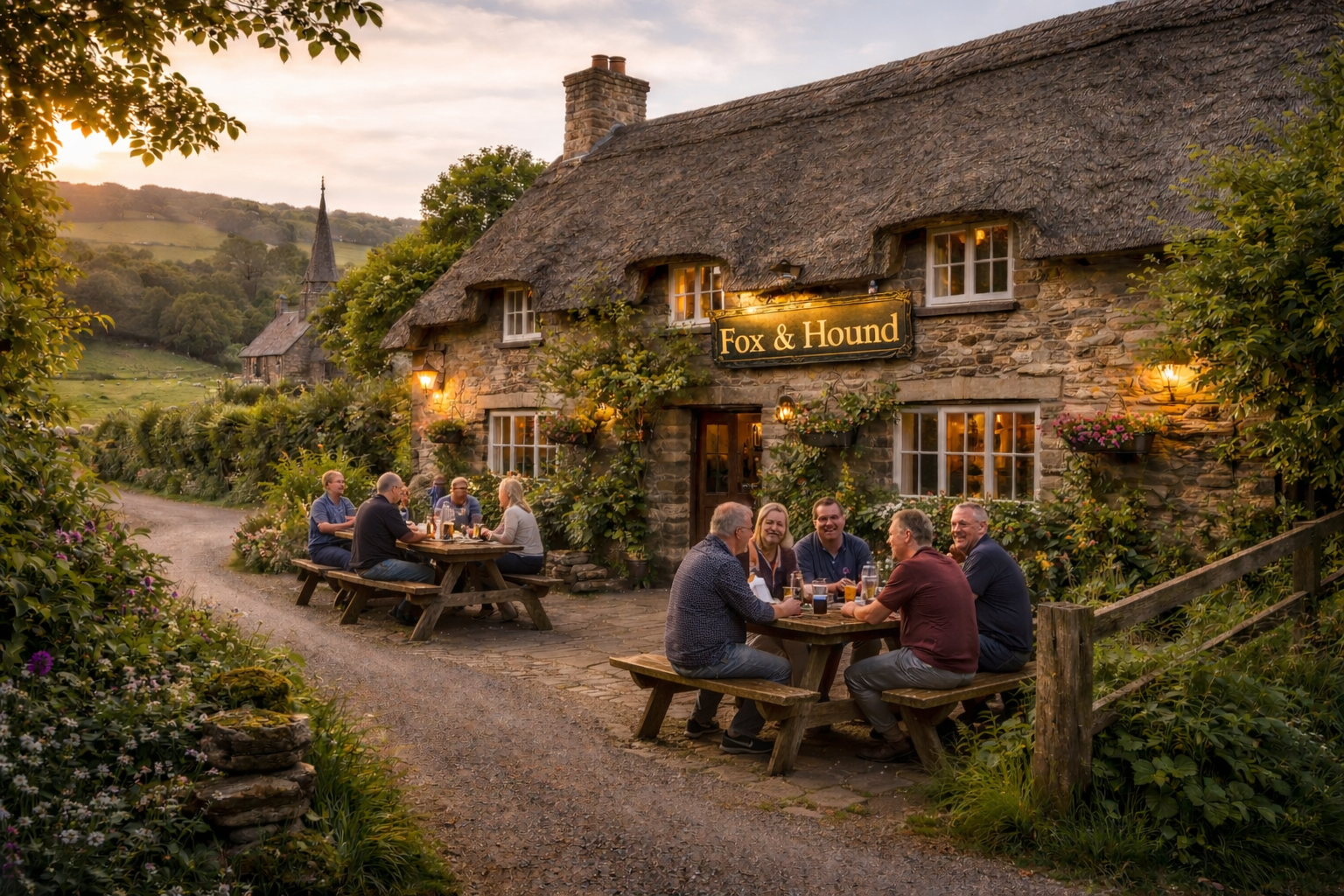
London Pride’s presence in pubs today carries added significance given the pressures facing the on-trade. Rising costs, changing social habits and recent economic challenges have all taken their toll on traditional pubs. In this context, beers like London Pride act as anchors — familiar names that reassure customers and support pub identity. For many landlords, having Pride on the bar is still seen as a mark of quality and reliability.
The beer’s role in British brewing heritage has also been reinforced by its recognition within the industry. London Pride has won numerous awards over the years, not for innovation or novelty, but for excellence in its category. These accolades underline an often-overlooked truth: consistency and balance are as worthy of celebration as experimentation.
It is also worth noting how London Pride has influenced perceptions of bitter among younger drinkers. As interest in traditional styles has resurged, driven partly by fatigue with extreme flavours, Pride has found itself newly appreciated. Drinkers raised on hazy IPAs and pastry stouts are discovering the appeal of subtle malt sweetness, gentle bitterness and lower alcohol levels. In this way, London Pride has become a gateway to British beer history.
Culturally, the beer occupies a space few others do. It is referenced in literature, travel writing and pub guides, often as shorthand for an authentic London pub experience. Ordering a pint of London Pride is, for many visitors, a small ritual — a way of participating in the city’s everyday life rather than observing it from the outside.
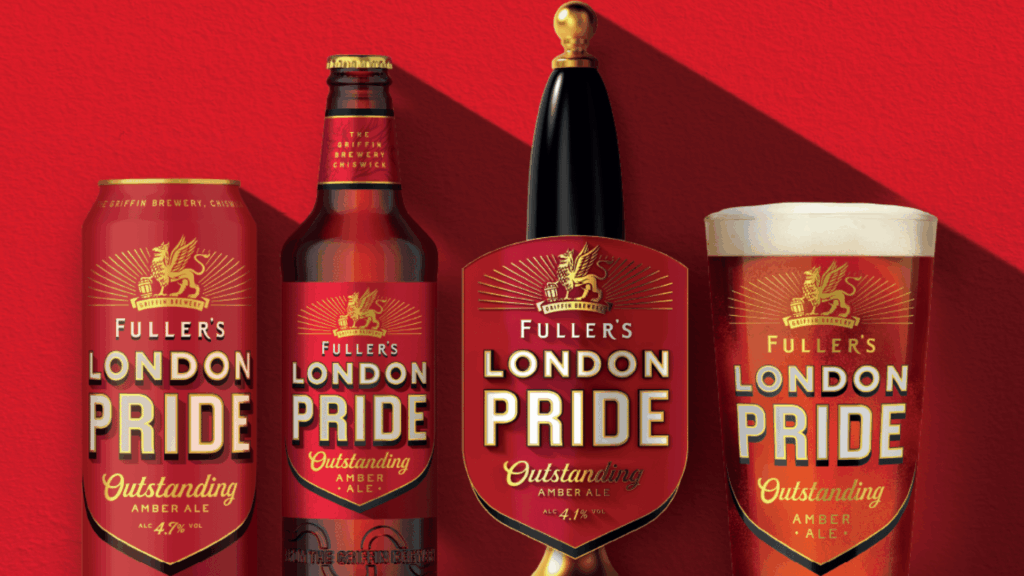
Despite its heritage status, Fuller’s has been careful not to freeze London Pride in time. Packaging has evolved, branding refreshed subtly, and availability expanded across formats. These changes have been incremental, designed to keep the beer visible without undermining its identity. Heritage, after all, is not about resisting change entirely, but about managing it thoughtfully.
Looking ahead, London Pride’s future will depend on the same qualities that have sustained it for more than six decades: balance, consistency and a clear sense of place. In a beer world that often prizes the new over the enduring, Pride serves as a reminder that longevity is itself an achievement. It is a beer that has earned its status not through hype, but through everyday presence.
As British beer continues to navigate uncertain ground, the quiet resilience of Fuller’s London Pride feels increasingly relevant. It stands as proof that heritage beers can survive — and even thrive — without abandoning their roots. In doing so, it tells a broader story about British brewing: one built not only on innovation, but on patience, craft and continuity.
For drinkers raising a pint today, London Pride is both a taste of history and a living part of the present. Few beers can claim that with such confidence.