The phrase “drinking less, but drinking better” has been doing the rounds for a while now, usually delivered with a tone that suggests moral improvement rather than enjoyment. But stripped of its worthy edges, the idea is far simpler and far more appealing than it sounds. It’s not about giving things up, or lecturing yourself in the mirror. It’s about making the pints you do drink count, and discovering that doing so can be kinder to your health, your wallet, and, perhaps most surprisingly, your tastebuds.
For decades, drinking culture was built around volume. Long nights, many rounds, and a vague sense of achievement for making it to closing time. That approach still exists, of course, but it’s no longer the default. Habits have changed, partly through necessity and partly through choice. Rising prices, busier lives, and a greater awareness of how alcohol affects us have all played their part. What’s emerged in their place is a quieter shift towards intention.
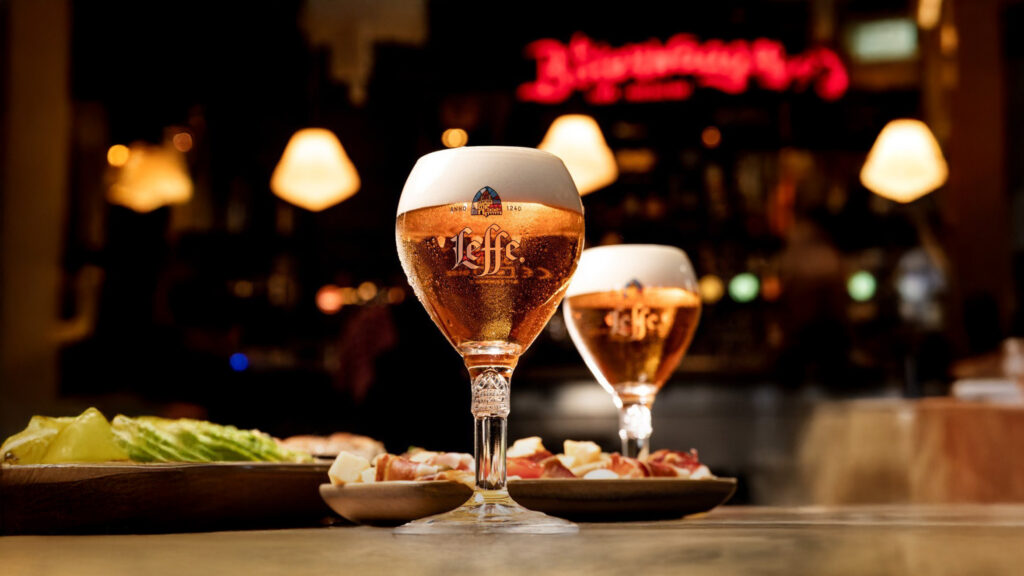
Drinking less doesn’t have to mean drinking joylessly. In fact, for many people it’s had the opposite effect. When you know you’re only having one or two pints, you pay more attention to what’s in the glass. You notice flavour rather than just refreshment. You choose something you genuinely want rather than whatever happens to be cheapest or quickest to pour.
This is where drinking better comes in. Better doesn’t mean stronger, rarer, or more expensive for the sake of it. It means beer that’s well made, well kept, and well suited to the moment. A properly poured pint of bitter, a balanced lager, or a thoughtfully brewed pale ale can deliver far more satisfaction than several forgettable drinks taken in haste.
From a health perspective, the benefits are fairly obvious, even if they’re not particularly glamorous. Fewer drinks mean better sleep, clearer mornings, and a body that feels more like an ally than an obstacle. It’s easier to wake up refreshed. Easier to focus. Easier to enjoy the rest of your life without the dull background hum of fatigue that often follows heavier sessions.
There’s also something psychologically freeing about letting go of the idea that every social occasion requires maximum consumption. When drinking becomes a choice rather than a default, it loses some of its power over the evening. You can enjoy a pint without feeling obliged to keep going. You can stop when you want to, not when the night ends.
Your wallet notices the difference too. Beer isn’t cheap anymore, and pretending otherwise doesn’t help anyone. Fewer pints mean lower bills, and that often allows for better choices. Spending a little more on one excellent pint rather than several average ones feels like value rather than restraint. It’s a shift in mindset that aligns surprisingly well with modern pub life.
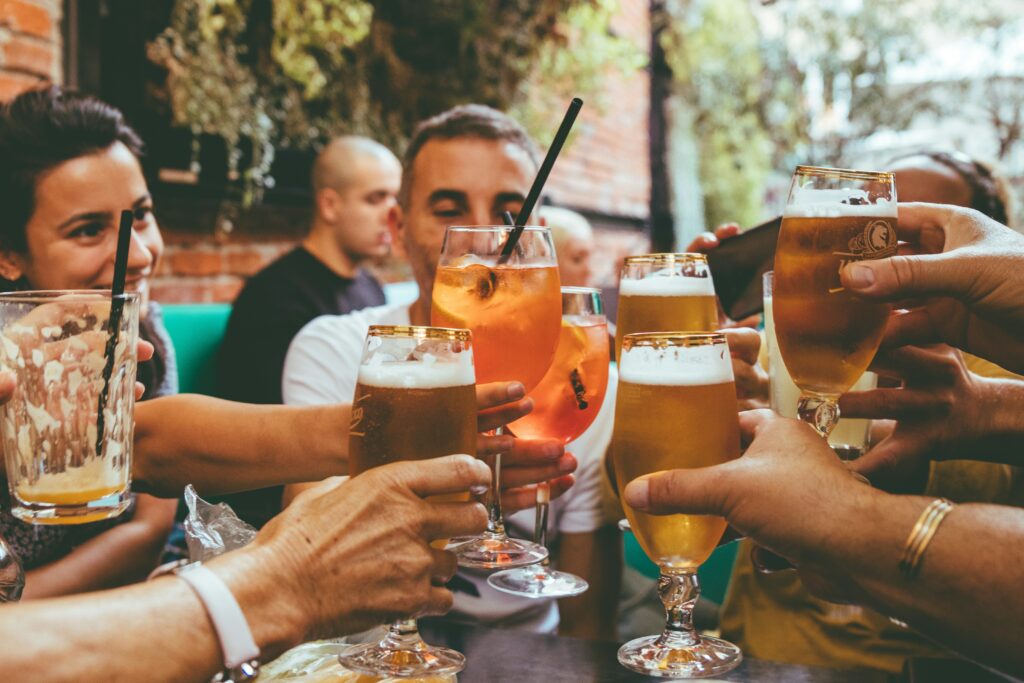
This approach also encourages better pubs and better beer. When drinkers become more selective, standards rise. Poorly kept beer stands out. Care and craft are rewarded. Pubs that look after their beer and their customers benefit from loyalty rather than footfall alone. In this way, drinking better isn’t just a personal decision; it’s a quiet vote for quality.
Taste is perhaps where the change is most noticeable. Drinking less sharpens the palate. Flavours don’t blur together. Subtlety becomes interesting again. A malt note you might have missed before suddenly stands out. A gentle bitterness lingers pleasantly rather than being drowned by the next round. Beer becomes something to savour rather than something to power through.
There’s also a social upside that’s often overlooked. Drinking less doesn’t make nights out duller; it often makes them more present. Conversations are remembered. Stories are finished. Laughter feels lighter rather than forced. The pub becomes a place to be rather than a place to endure until closing time.
Importantly, this shift isn’t about judgement. There’s no hierarchy of virtue here, no suggestion that one way of drinking is morally superior. It’s simply about recognising that habits can change, and that change doesn’t have to mean loss. For many, it’s meant rediscovering why they enjoyed drinking in the first place.
Younger drinkers, in particular, seem comfortable with this balance. They’re less interested in extremes and more interested in experience. They’re happy to mix alcoholic and non-alcoholic drinks, to stop early, or to treat beer as one part of an evening rather than the entire event. That flexibility feels healthy, and it bodes well for the future of pub culture.
None of this means pubs are becoming quieter or less relevant. If anything, it suggests the opposite. Pubs that offer quality, atmosphere, and a sense of welcome are perfectly placed to thrive in a world of drinking better. They don’t need to push volume; they need to create reasons to stay.
There’s also something reassuringly grown-up about knowing what you like and sticking to it. Choosing a familiar pint because it brings you pleasure, not because it’s expected. Leaving when you’ve had enough. Waking up the next day feeling fine. These are small victories, but they add up.
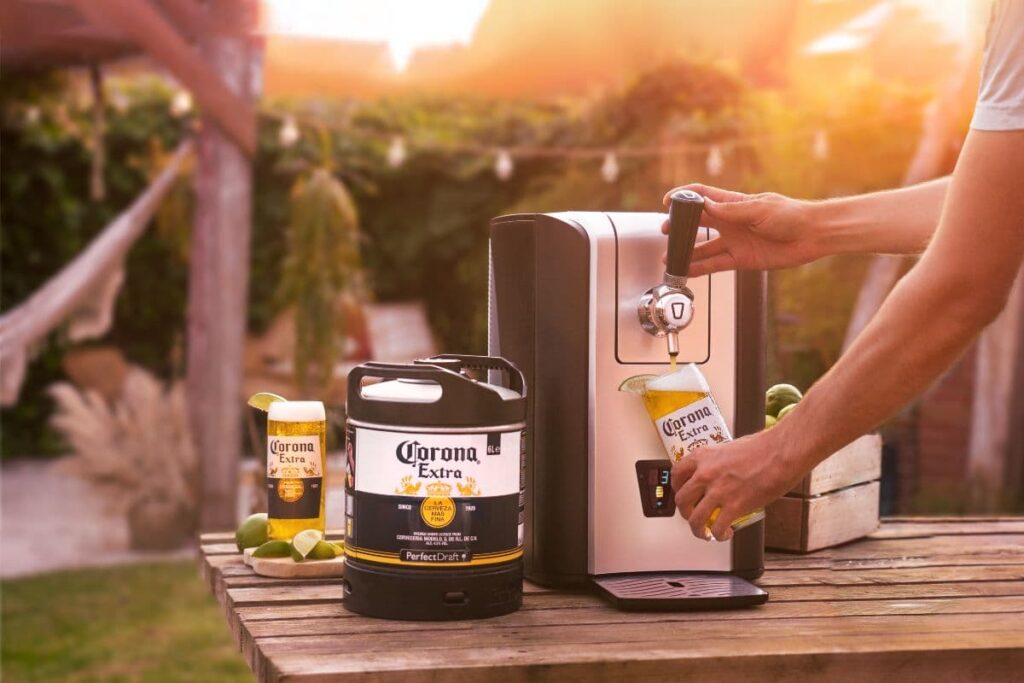
Drinking less, but drinking better isn’t a trend to be marketed or a rule to be enforced. It’s a shift in perspective. It recognises that enjoyment doesn’t have to be measured in quantity, and that restraint doesn’t have to be joyless. It allows beer to return to its rightful place as a pleasure, not a test of endurance.
In the end, it’s about balance. A good pint, enjoyed properly, is still one of life’s simple pleasures. Having fewer of them doesn’t diminish that pleasure; it often enhances it. And if that means better health, a lighter bill, and a sharper appreciation of what’s in your glass, then it’s hard to see the downside.