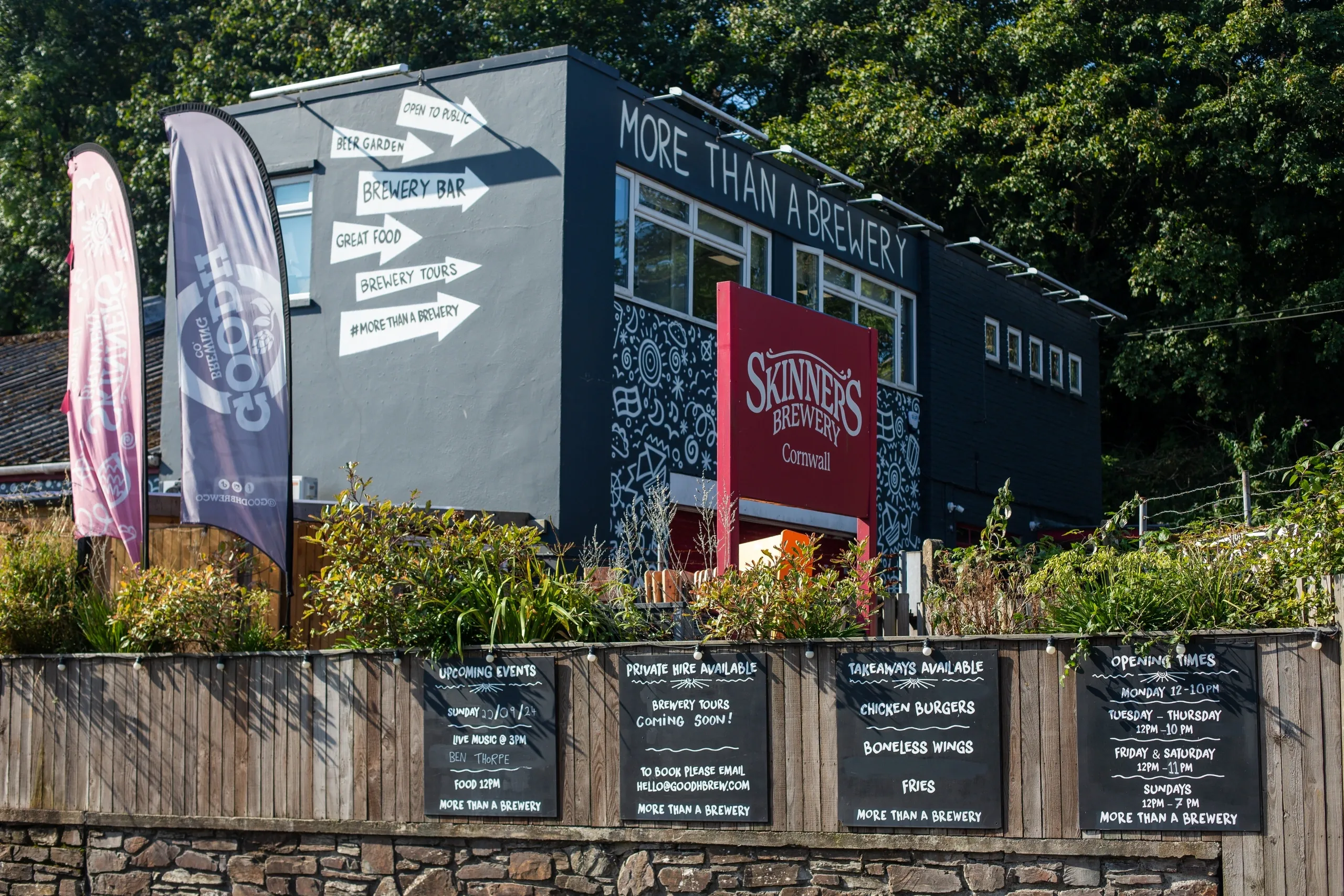
Breweries opening taprooms instead of pubs has become one of the defining shifts in modern beer culture, and it’s a change driven as much by necessity as by ambition. Walk through almost any town with a half-decent brewing scene and you’ll find them: industrial units softened with benches and festoon lighting, brewery names painted proudly on the wall, beer poured metres from where it was made. For many drinkers, they’ve become normal. For the pub trade, they raise uncomfortable questions.
On the surface, taprooms look like a celebration of independence. Brewers pouring their own beer, telling their own story, and cutting out the middleman. And there’s truth in that. But the deeper reasons why breweries are choosing taprooms over traditional pubs say a lot about how hard it has become to run a pub, and how carefully breweries now have to protect their margins.
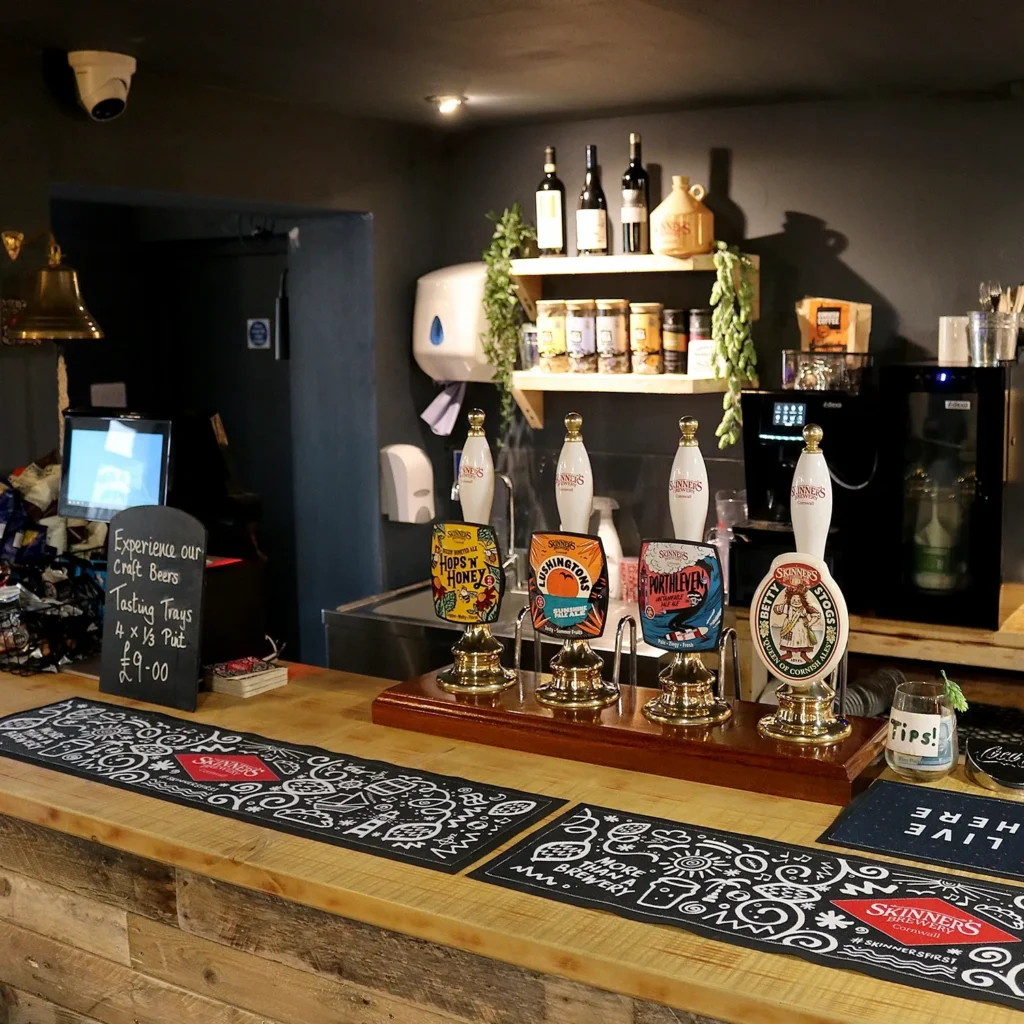
Running a pub is expensive, complicated, and increasingly risky. Rent, rates, energy bills, staffing, licensing, compliance, maintenance — the list is long and unforgiving. For breweries, especially small and mid-sized ones, opening or taking on a pub often means stepping into a world they’re not set up for. Brewing beer and running a pub are related, but they are not the same business. Taprooms offer a way to engage directly with drinkers without taking on the full weight of the pub model.
A taproom is, at its heart, an extension of the brewery rather than a standalone hospitality venue. That distinction matters. They usually operate under different licensing arrangements, have more limited opening hours, and avoid many of the costs associated with pubs. There’s no need for a full kitchen, no obligation to be open all day, every day, and often far fewer staff. For breweries working on tight margins, that difference can be the line between sustainability and struggle.
Control is another major factor. In a pub, a brewery’s beer sits alongside others, subject to the skill of the cellar, the cleanliness of the lines, and the priorities of the landlord. In a taproom, the brewery controls everything. The beer is stored properly, poured correctly, and presented exactly as intended. If something isn’t right, it’s fixed immediately. That level of control is incredibly appealing, especially in a market where reputation can hinge on a single bad pint.
There’s also the question of margin. Selling beer wholesale to pubs means accepting smaller returns in exchange for volume. Selling directly to drinkers in a taproom changes the equation entirely. The same beer generates far more revenue per pint, and that extra income can be reinvested into equipment, staff, and stability. In a tough market, that direct connection can be the difference between growth and closure.
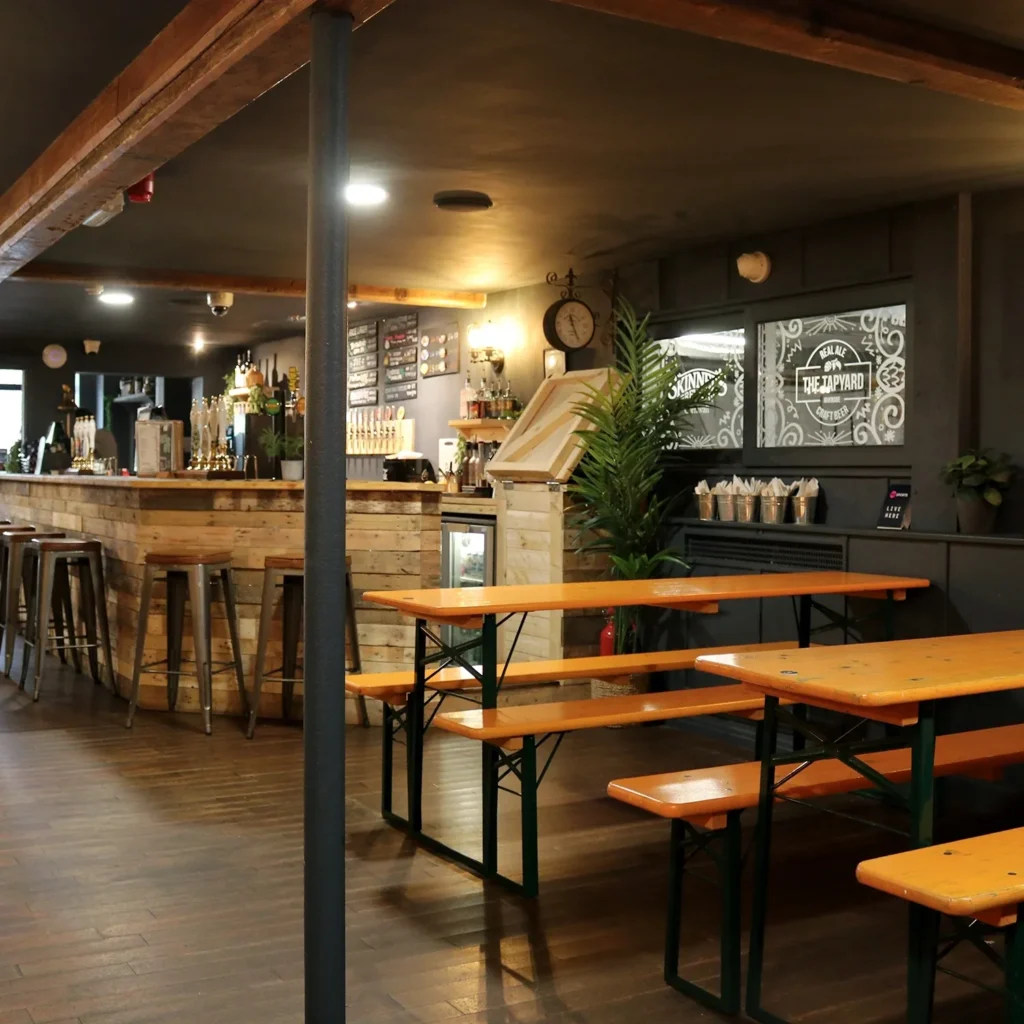
Taprooms also offer breweries something pubs increasingly struggle to provide: certainty. Opening hours are predictable. Customer expectations are clearer. There’s no need to cater to everyone. People come for the beer, and they know that when they arrive. That clarity reduces risk and simplifies operations in a way that traditional pubs often can’t.
From a drinker’s perspective, taprooms offer a different experience rather than a replacement. They’re places to explore beer, to try new releases, to talk to brewers, and to feel close to the process. They appeal particularly to drinkers who enjoy novelty and discovery. In that sense, they’ve become a natural outlet for modern beer culture, which values transparency and connection.
But this shift hasn’t happened in isolation, and it does raise concerns for pubs. When breweries prioritise taprooms, pubs can find themselves competing with the very producers they once relied on. A brewery taproom selling fresh beer at competitive prices can draw drinkers away from nearby pubs, especially if those pubs are already under pressure.
This isn’t about blame. Breweries opening taprooms aren’t trying to undermine pubs; they’re trying to survive. Many brewers are acutely aware of the role pubs play and are deeply uncomfortable with the idea of being seen as competitors. Yet the economics are hard to ignore. In a system where pubs are closing at alarming rates, breweries are adapting to protect themselves.
It’s also worth noting that taprooms and pubs serve different social functions. Taprooms tend to be destination venues. You go with intent. Pubs, traditionally, are spaces you drift into. They’re embedded in communities, open more often, and cater to a broader mix of people. Taprooms rarely replace that role, but they can’t replicate it either.
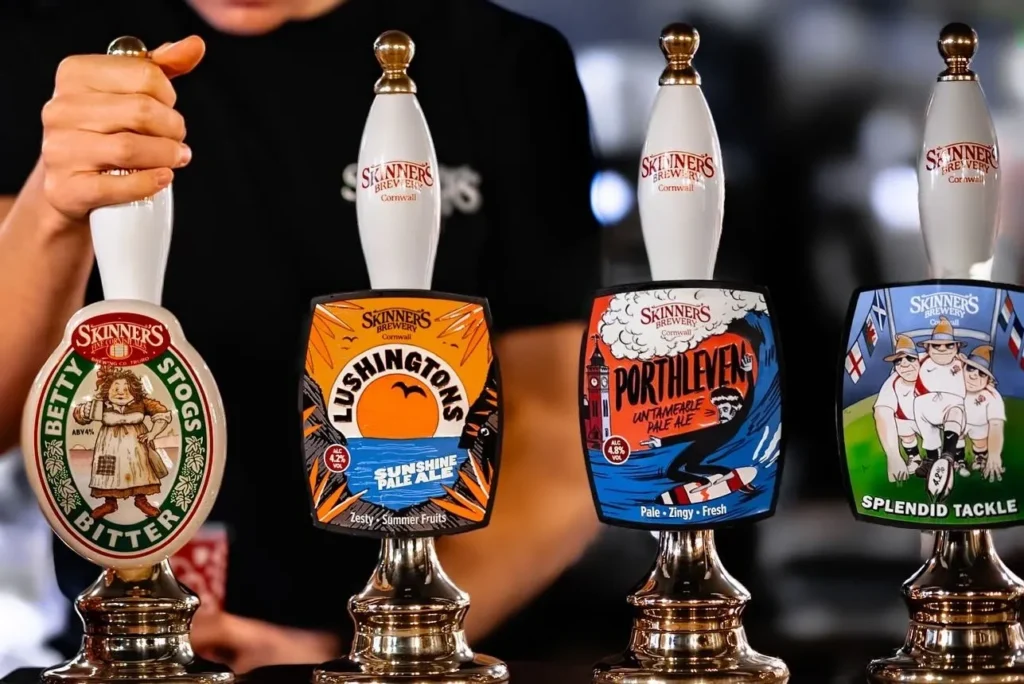
The risk is that as taprooms flourish, the pub ecosystem becomes weaker. Breweries may sell more beer directly, but fewer pubs mean fewer outlets for beer overall. The long-term health of the industry still depends on pubs as social spaces, not just points of sale. Without them, beer culture becomes narrower and more transactional.
Some breweries recognise this and try to strike a balance. They open taprooms while continuing to support pubs through fair pricing, collaboration, and communication. Others experiment with hybrid models, opening pub-style venues that retain the soul of a local while benefiting from brewery backing. These approaches suggest that the relationship between breweries and pubs doesn’t have to be adversarial.
There’s also a cultural element at play. Taprooms reflect a shift towards experience-led drinking. People want to know where their beer comes from, who made it, and why it tastes the way it does. Pubs that can tell similar stories, whether through cask ale, local ties, or knowledgeable staff, remain powerful—those who can’t often struggle to differentiate themselves.
In many ways, the rise of taprooms highlights the pressures pubs face rather than replacing them outright. It exposes how hard it has become to operate a traditional pub model in a modern economy. Breweries aren’t abandoning pubs out of preference; they’re responding to a system that increasingly rewards direct sales and penalises complexity.
The future likely lies in coexistence rather than competition. Taprooms will continue to grow because they make sense for breweries. Pubs will continue to matter because they provide something taprooms can’t: permanence, familiarity, and community. The challenge for the industry is ensuring that one doesn’t thrive at the expense of the other.
Why breweries are opening taprooms instead of pubs isn’t a mystery. It’s a pragmatic response to economic reality. But it also serves as a reminder that pubs need support, not just sentiment. Without them, beer loses its most important stage. Taprooms may pour the beer, but pubs still give it meaning.