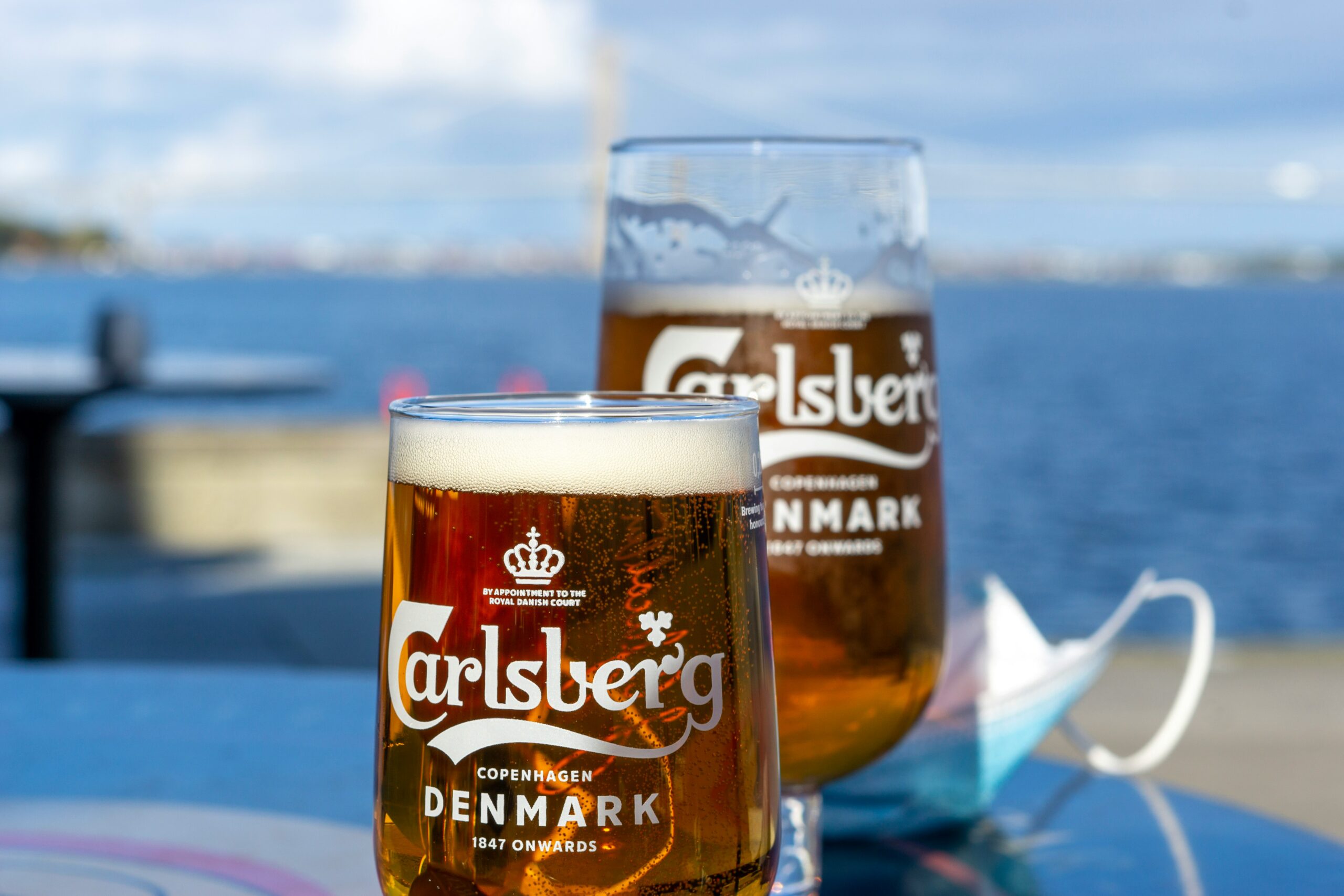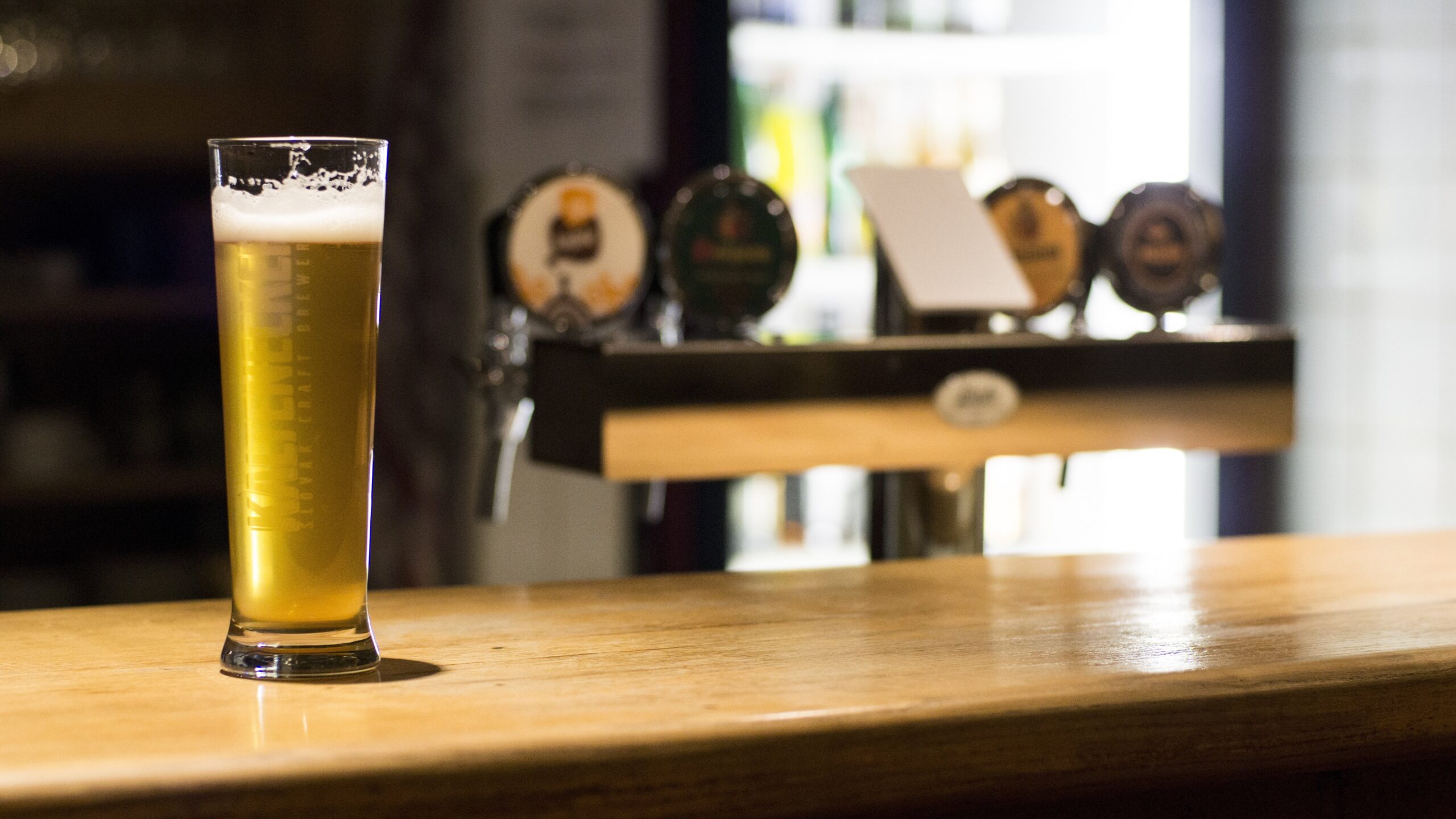
There’s a familiar glow that spills from the windows of a rural pub on a winter’s evening. It’s not just light, but reassurance — the promise of warmth, conversation, and community at the end of a long day. For generations, that glow has anchored village life. But under Labour’s emerging discussion around tightening drink-drive limits, that light risks dimming even further, and with it the future of the country pub as we know it.
Let’s be clear from the outset: no one sensible is arguing against road safety. Drink driving ruins lives, and any policy that genuinely reduces harm deserves serious consideration. But policy does not exist in a vacuum. When you redraw the rules without understanding how people actually live — particularly outside cities — you risk accelerating the quiet collapse of rural life. And the pub, already on life support in many villages, may be the next casualty.
For rural communities, the pub is not a lifestyle accessory. It is not an optional extra. It is the village hall, the social club, the meeting room, the place where news is shared, problems are aired, and newcomers are absorbed into the fabric of local life. Remove regular footfall from that space and you don’t just lose a business; you lose a cornerstone. Lowering the drink-drive limit, even marginally, may sound reasonable on paper, but in practice it discourages exactly the sort of casual, low-key visits that keep rural pubs alive.
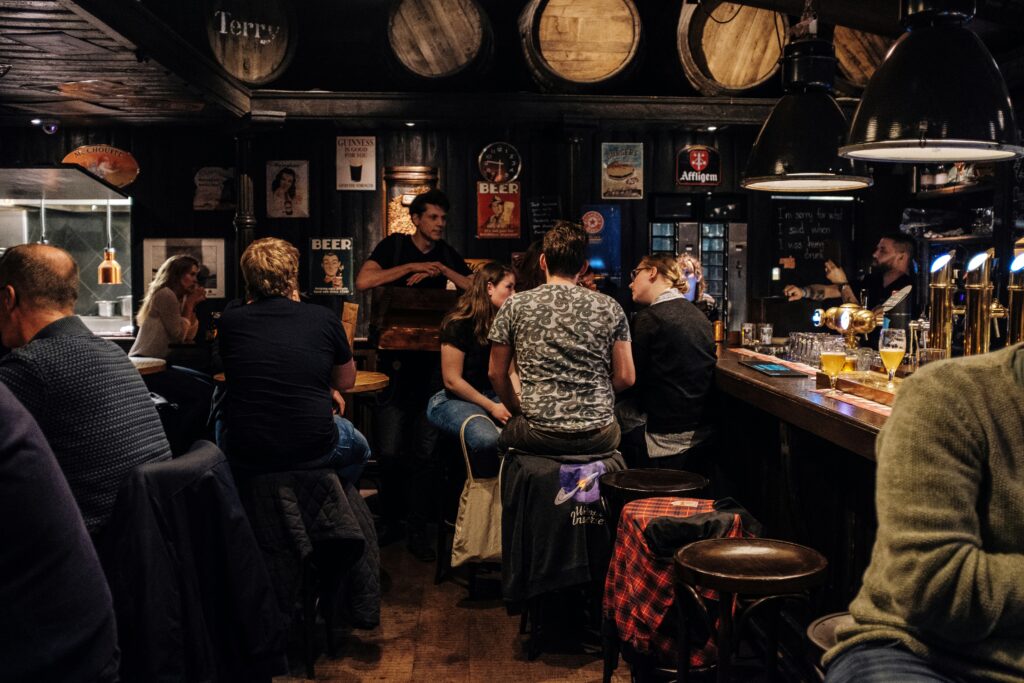
In cities, alternatives abound. Public transport runs late. Taxis are plentiful. You can walk home. In the countryside, those options are a luxury. Buses stop early, if they run at all. Taxis are expensive, scarce, or nonexistent. Walking miles along unlit roads is neither practical nor safe. The result is simple: people stay at home. One pint becomes none. A quiet midweek visit becomes an evening on the sofa. Multiply that across a village, and the pub’s balance sheet starts to buckle.
Supporters of stricter limits often argue that this will encourage more responsible behaviour, perhaps nudging people towards alcohol-free options. In theory, that sounds fine. In reality, rural pubs rely on regulars having a drink or two — not excess, but moderation — to make the numbers work. Alcohol-free alternatives don’t yet carry the same margins, nor do they inspire the same habits. A pub that becomes a soft-drink stop struggles to survive when heating bills, staffing costs, and rising rents are taken into account.
There is also a cultural misunderstanding at play. Rural pub drinking has never been about excess in the way policy discussions sometimes imply. It’s about familiarity, routine, and restraint. The local landlord knows who’s driving. Regulars pace themselves. The unspoken rules of the village pub are often stricter than any legislation. Flattening that nuance with blanket policy risks punishing the very communities that have historically self-regulated most effectively.
The wider economic knock-on effects are rarely acknowledged. Pubs support local suppliers, local brewers, local farmers. They create employment in areas where jobs are thin on the ground. They attract walkers, cyclists, and tourists who expect a pub to be part of the rural experience. If pubs close, villages become less attractive places to live and visit, accelerating depopulation and decline. Once a pub shuts its doors, it rarely reopens. It becomes a house, a holiday let, or simply a boarded-up reminder of what was lost.

There is also a social cost that never appears in impact assessments. Loneliness is already a growing issue in rural areas, particularly among older residents. The pub offers low-pressure social contact — a nod at the bar, a chat by the fire — without the formality of clubs or organised groups. Take that away, and isolation deepens. Policies aimed at improving public safety should not inadvertently damage public well-being.
This is not an argument for doing nothing. It is an argument for proportionality and understanding. If Labour wants to improve road safety, there are smarter, more targeted ways to do it. Invest in rural transport. Support community taxi schemes. Encourage designated-driver incentives. Work with pubs rather than against them. Blanket rule-tightening without rural exemptions or mitigation feels like governance by spreadsheet rather than lived experience.
The danger is that once again, rural voices are drowned out by urban assumptions. From planning laws to farming policy, the countryside has grown used to being an afterthought. The proposed lowering of the drink-drive limit risks becoming another example of well-intentioned policy with unintended consequences — consequences that will be felt most keenly far from Westminster.
Country pubs are not clinging to nostalgia; they are fighting for relevance in a world that has steadily eroded their viability. Rising costs, changing habits, and regulatory pressure have already thinned their ranks. Another blow, however modest it appears, could be the tipping point for many. When the lights go out in a village pub, they rarely come back on.
If the Labour Party is serious about supporting communities, it must recognise that rural life operates by different rules. Safety matters. Lives matter. But so do the spaces that hold communities together. Lose the pub, and you lose far more than a place to have a drink. You lose the beating heart of the countryside — and once that’s gone, no amount of policy regret will bring it back.